
September 1863

By early September of 1863, the men of the 8th Kentucky Infantry Regiment had already endured months of marching and maneuvering across Tennessee. The long movements of the summer had carried them steadily southward, pressing Confederate forces back and bringing the Union army ever closer to the mountainous regions surrounding Chattanooga.
With the close of the Tullahoma Campaign, the army did not rest long. Orders soon set them in motion once again, this time toward the strategic stronghold of Chattanooga. The terrain began to change as they advanced—rolling farmland giving way to rougher ground, narrow roads, and wooded ridges that made movement slower and more uncertain.
As September unfolded, the regiment moved with the larger army under General Rosecrans, taking part in the movements that led toward an inevitable confrontation. These were tense days. The enemy was near, though not always seen, and each march carried with it the growing sense that something larger lay just ahead.
Near the banks of Chickamauga Creek in northern Georgia, Union and Confederate forces converged in what would become one of the fiercest battles of the war—the Battle of Chickamauga. The regiment participated in the movements preceding and leading up to the engagement, and when the moment came, it entered the fight with the rest of the army.
During the battle of September 19th and 20th, the 8th Kentucky “most gallantly bore itself” amid the confusion and violence of the field. Fighting in dense woods and broken ground, where visibility was limited and commands were often lost in the noise, the men held their place as best they could under heavy fire.
The cost of those days was not light. The regiment reported a total loss of seventy-nine killed, wounded, and prisoners—numbers that, though written in a single line, marked the lives of men who had marched together through the long months before.
For those who came through it, Chickamauga was not easily forgotten. The steady rhythm of marching had given way to something far more severe, and the war—once measured in miles and movement—was now felt in loss, memory, and the weight carried forward by those who remained.
In the days that followed, the army fell back toward Chattanooga, carrying with it the strain of what had just passed. The ground at Chickamauga was left behind, but not the memory of it. For the men of the 8th Kentucky, the march did not end—it simply changed direction. Worn and tested, they moved on with the army into a new phase of the war, one that would hold them in place for a time, under watchful eyes and with the enemy still close at hand.
This section is based on the Adjutant General’s Report for Kentucky Infantry, which records that the 8th Kentucky Infantry Regiment participated in the movements leading up to the Battle of Chickamauga in September 1863 and “most gallantly bore itself” during the engagement.
At the time, the regiment was serving as part of the 21st Army Corps under General Thomas L. Crittenden. Reported losses from the battle totaled 79 killed, wounded, and prisoners.
Additional descriptive elements have been included to reflect the known conditions of the battlefield and the typical experiences of soldiers engaged in the Chickamauga campaign.
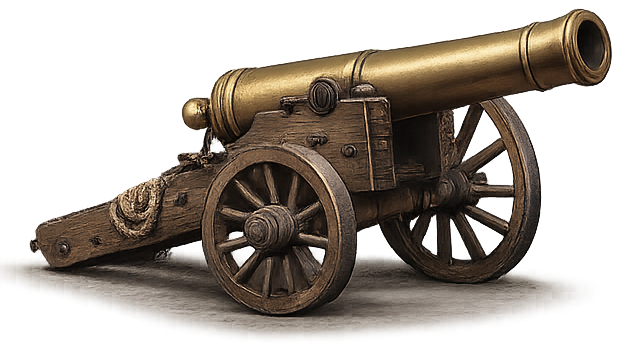 Help Us Preserve Our History
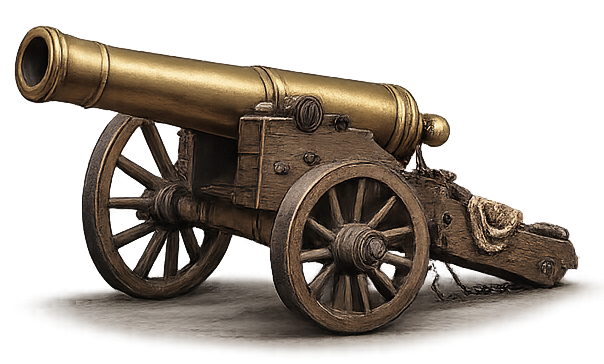
family knowledge about the men who served in the 8th Kentucky Infantry?
We would love to hear from you.
Every name has a story,
and your contribution could help us bring those stories to life.
Contact: rebeccastreasures1@gmail.com
This page was last updated on April 20, 2026