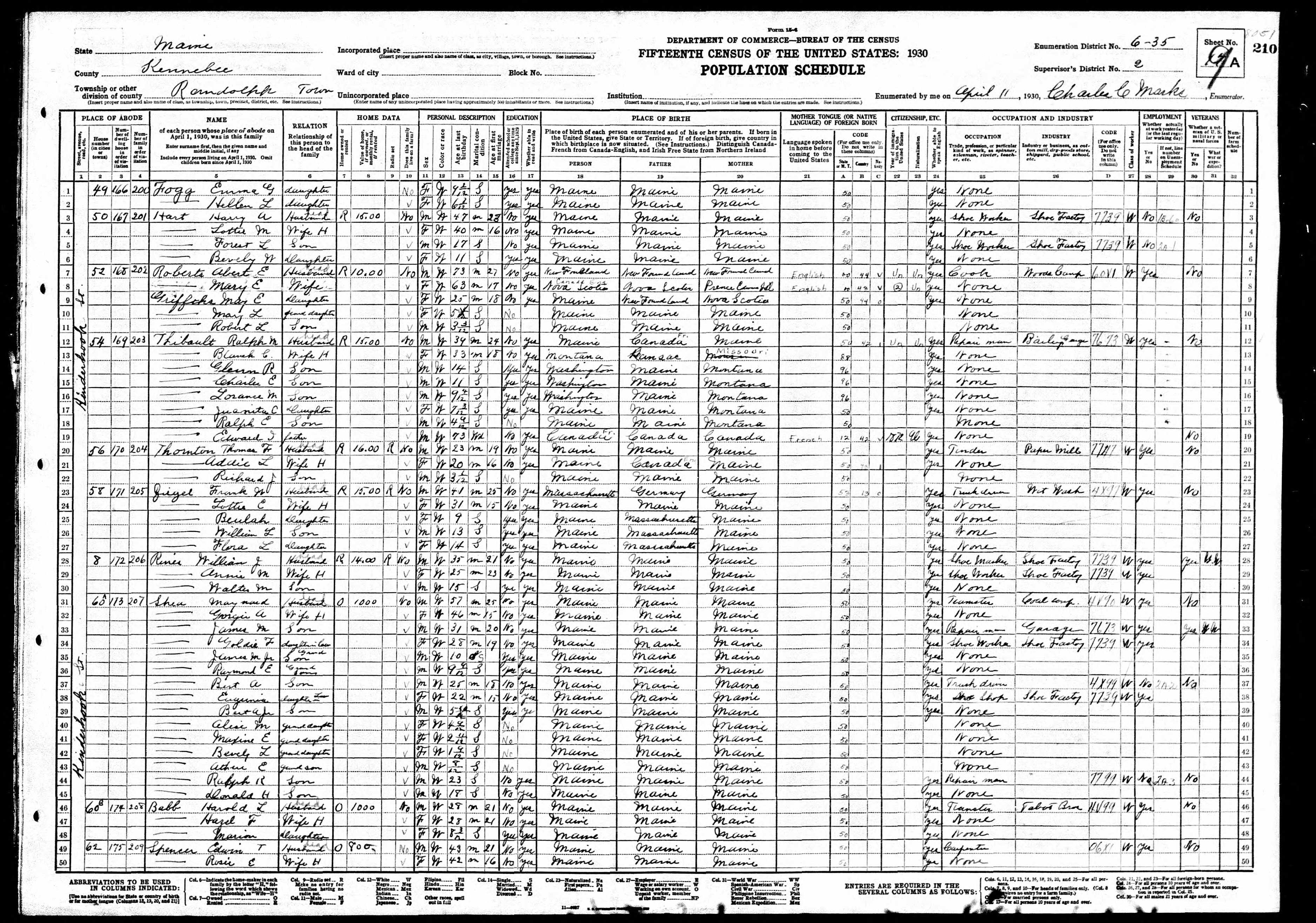
A coal-yard fireman at 62 Kinderhook
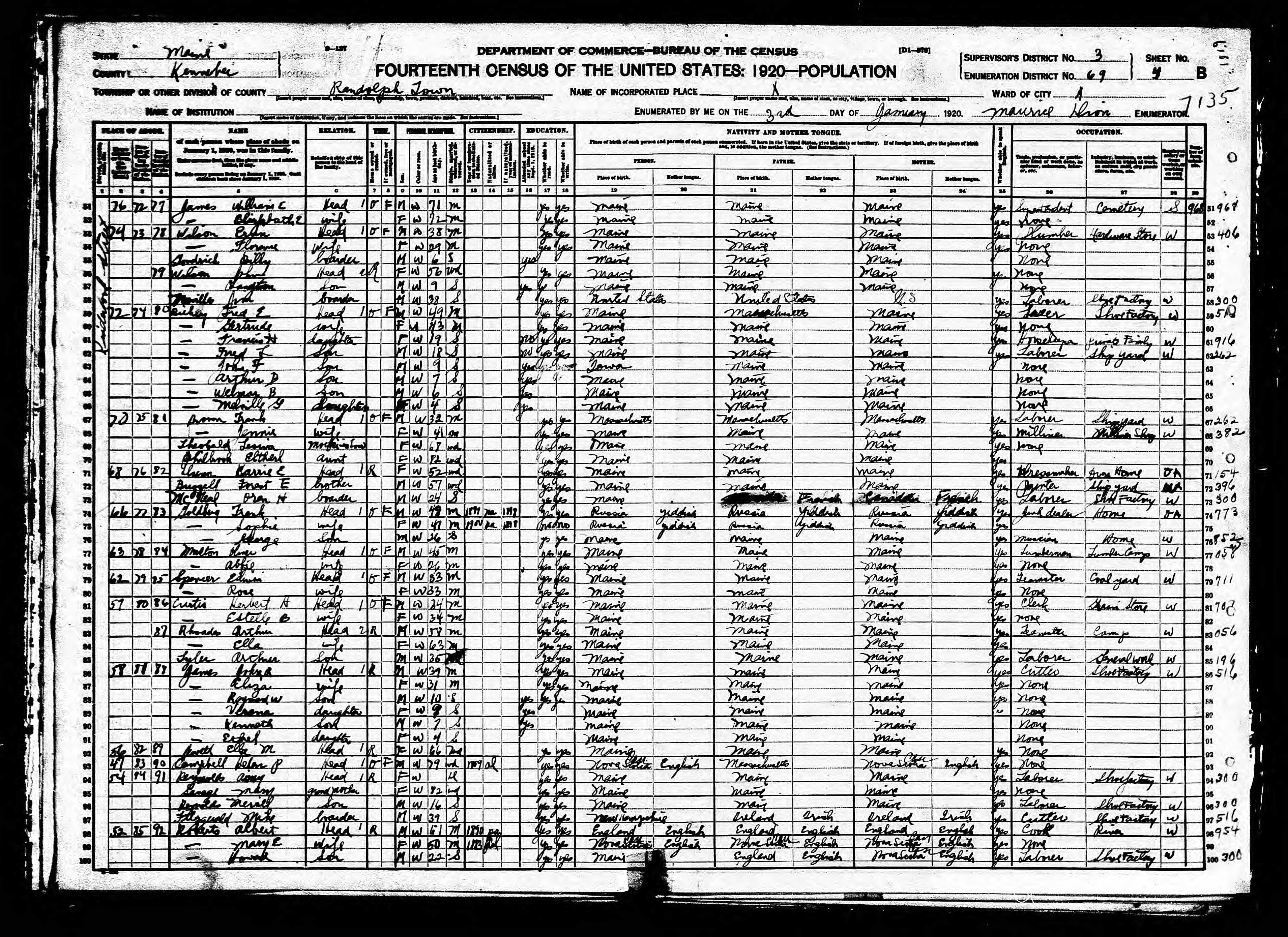
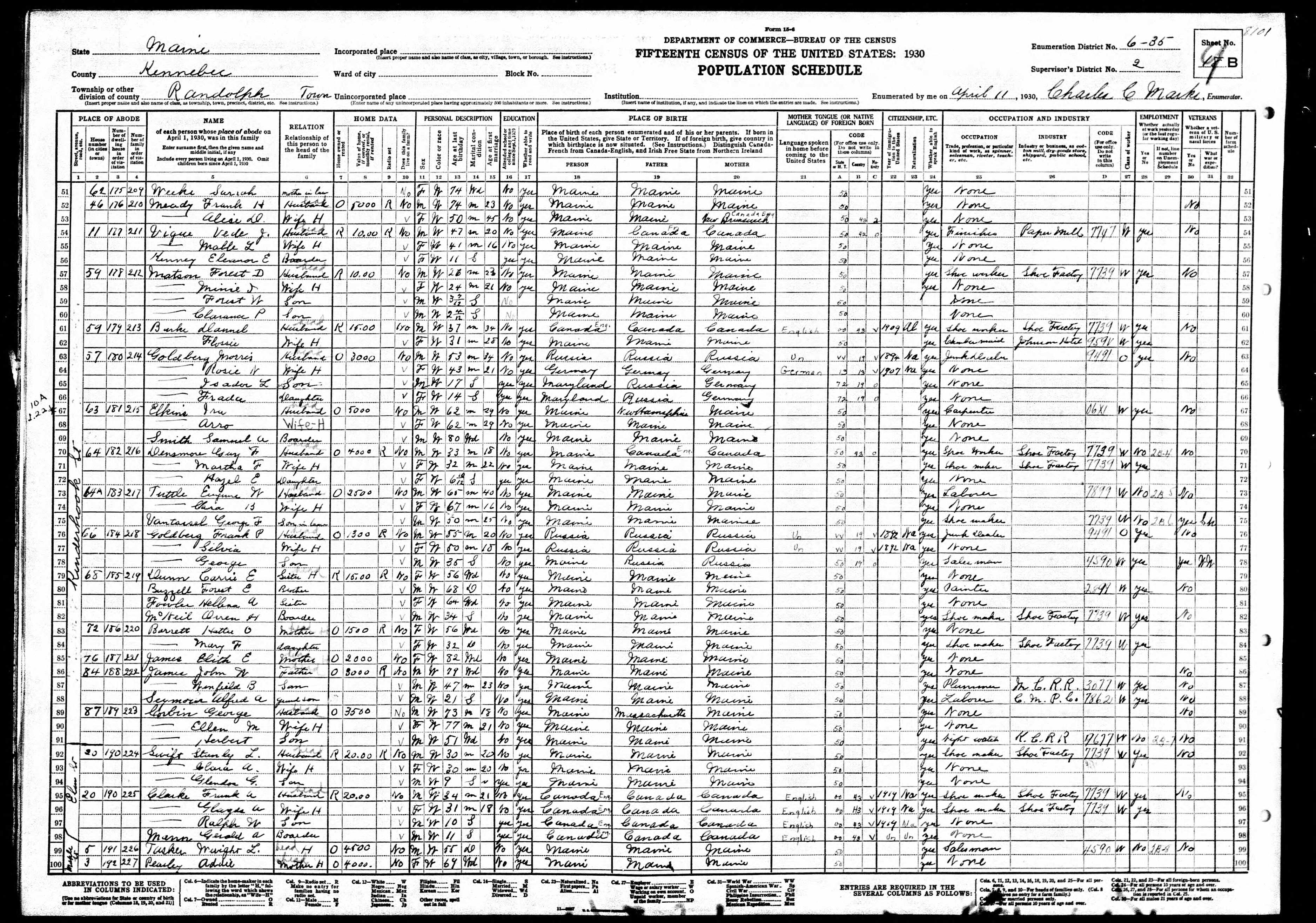
Edwin and Rose were living alone at number 62. The census appears to show that Edwin owned the home free of mortgage. No children were recorded in their household.
A Workingman's Story from Maine
The Man at 62 Kinderhook
April 12, 1886 – February 10, 1955
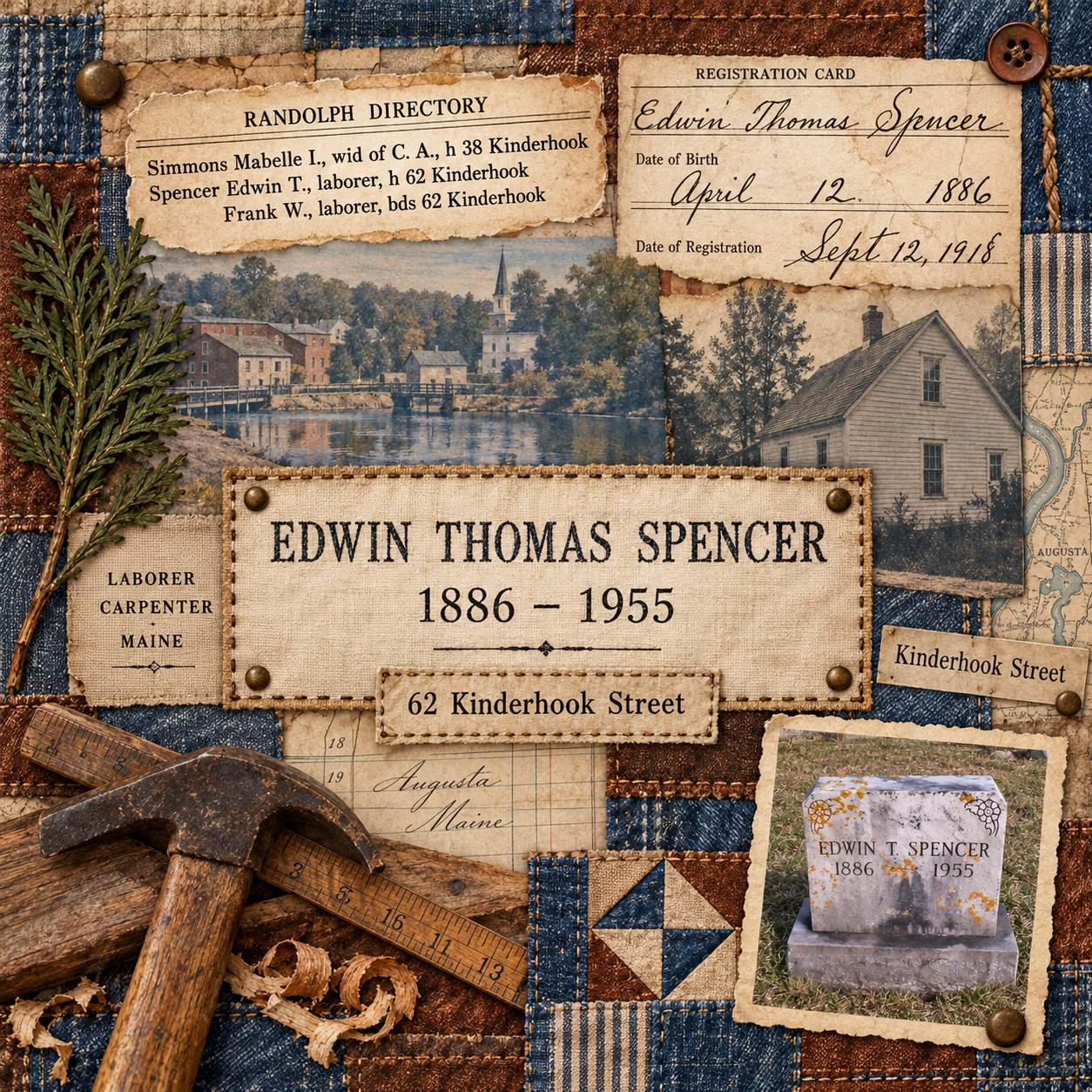
His story gathered from the records he left behind
Edwin Thomas Spencer lived a workingman's life across the small towns of Maine. The records follow him through farms, mills, a coal yard, carpenter's work, and finally another family's farm in Alna. Again and again they return to one address: 62 Kinderhook Street in Randolph.
His story includes marriage, property, hard work, mistakes, and an unanswered connection to our own family. Gathered together, these pieces let us see more than an old name in a directory—and leave room for the story that DNA may someday finish.
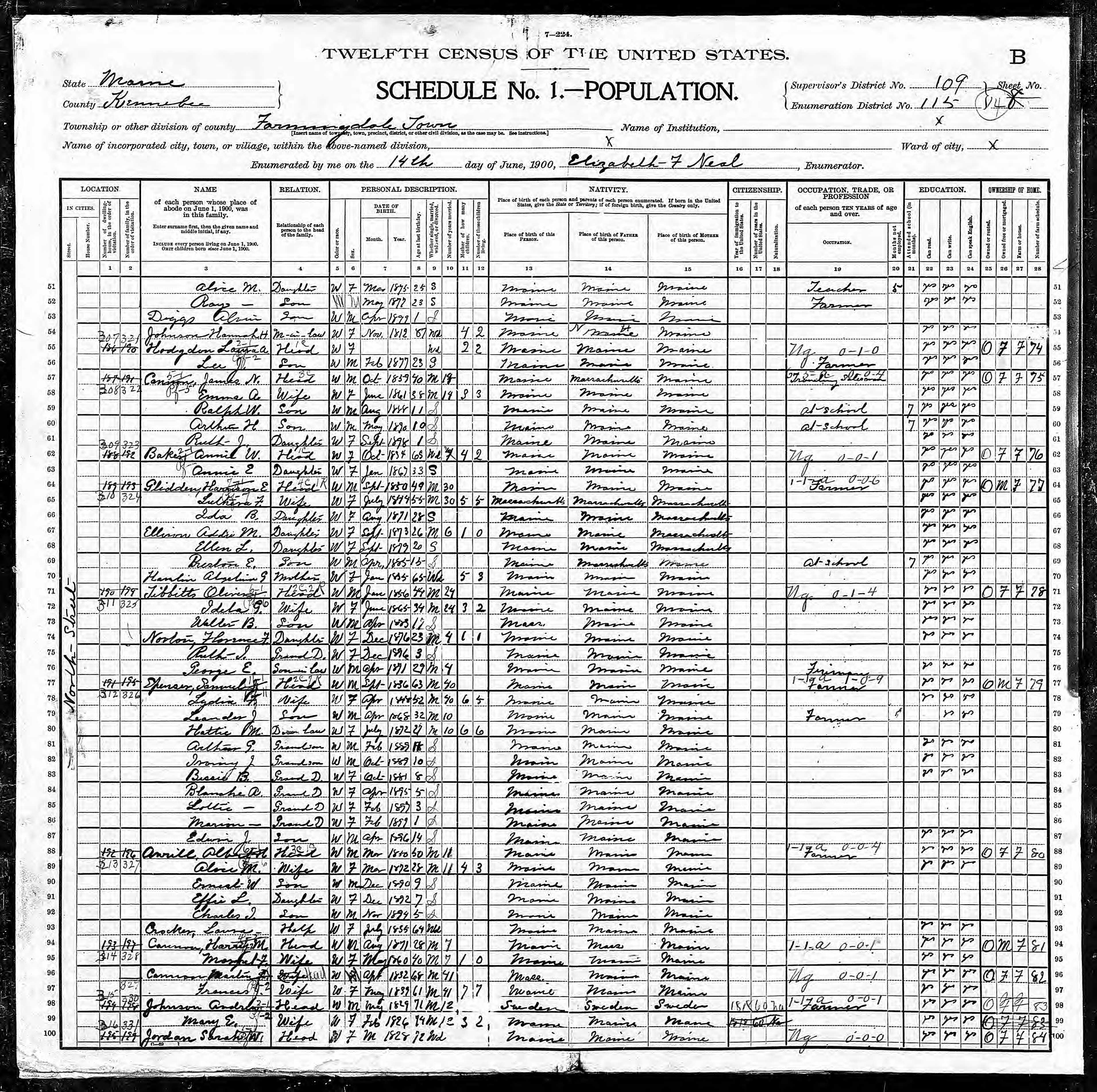
In 1900, fourteen-year-old Edwin was living in Farmingdale with his parents, Samuel and Lydia Spencer. The household also included his older brother Leander, Leander's wife Hattie, and their children. Among those children was three-year-old Lottie Spencer, Edwin's niece—a small census entry that would become especially important more than a century later when DNA matches began pointing back toward the Spencer family.
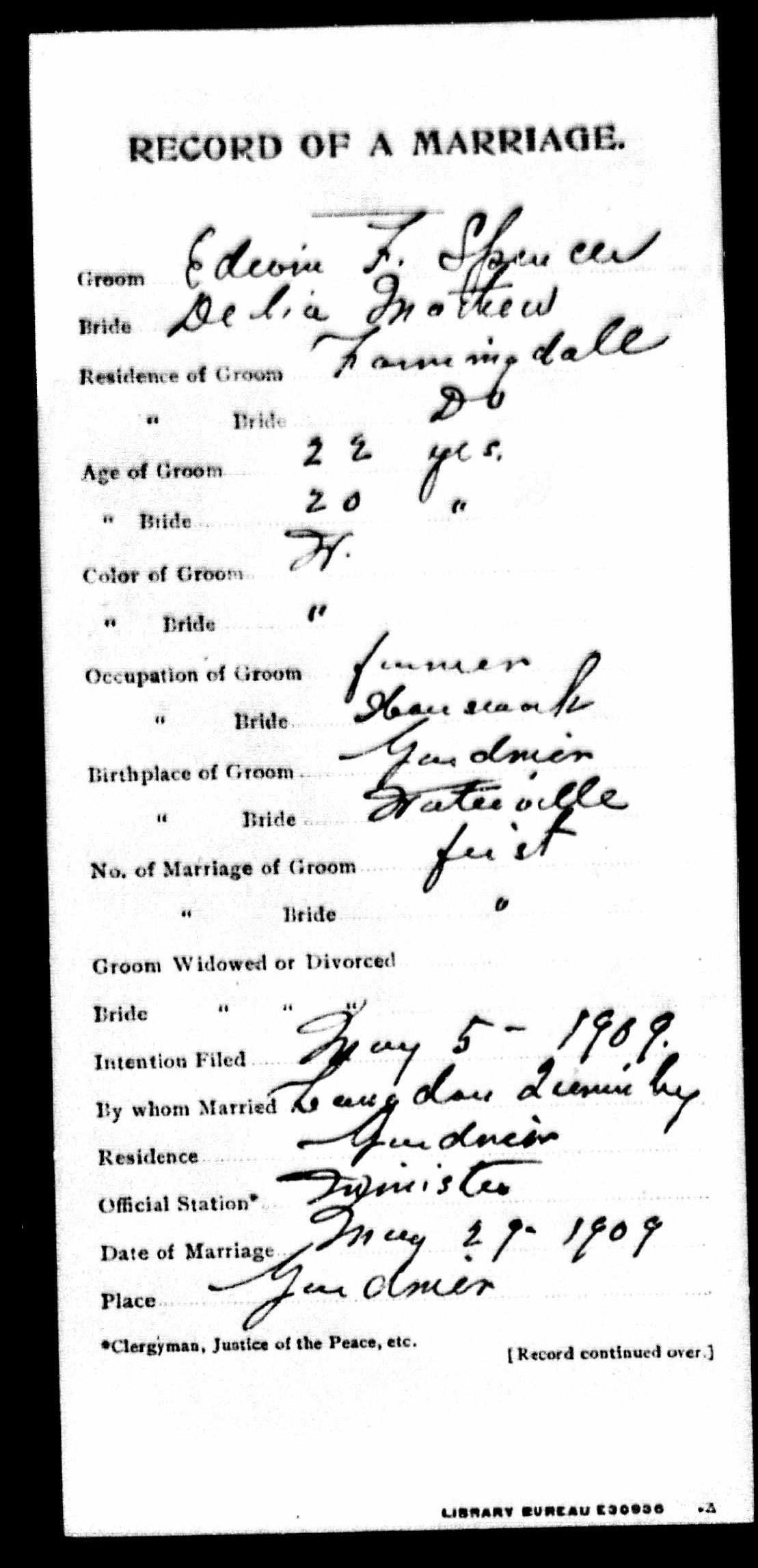
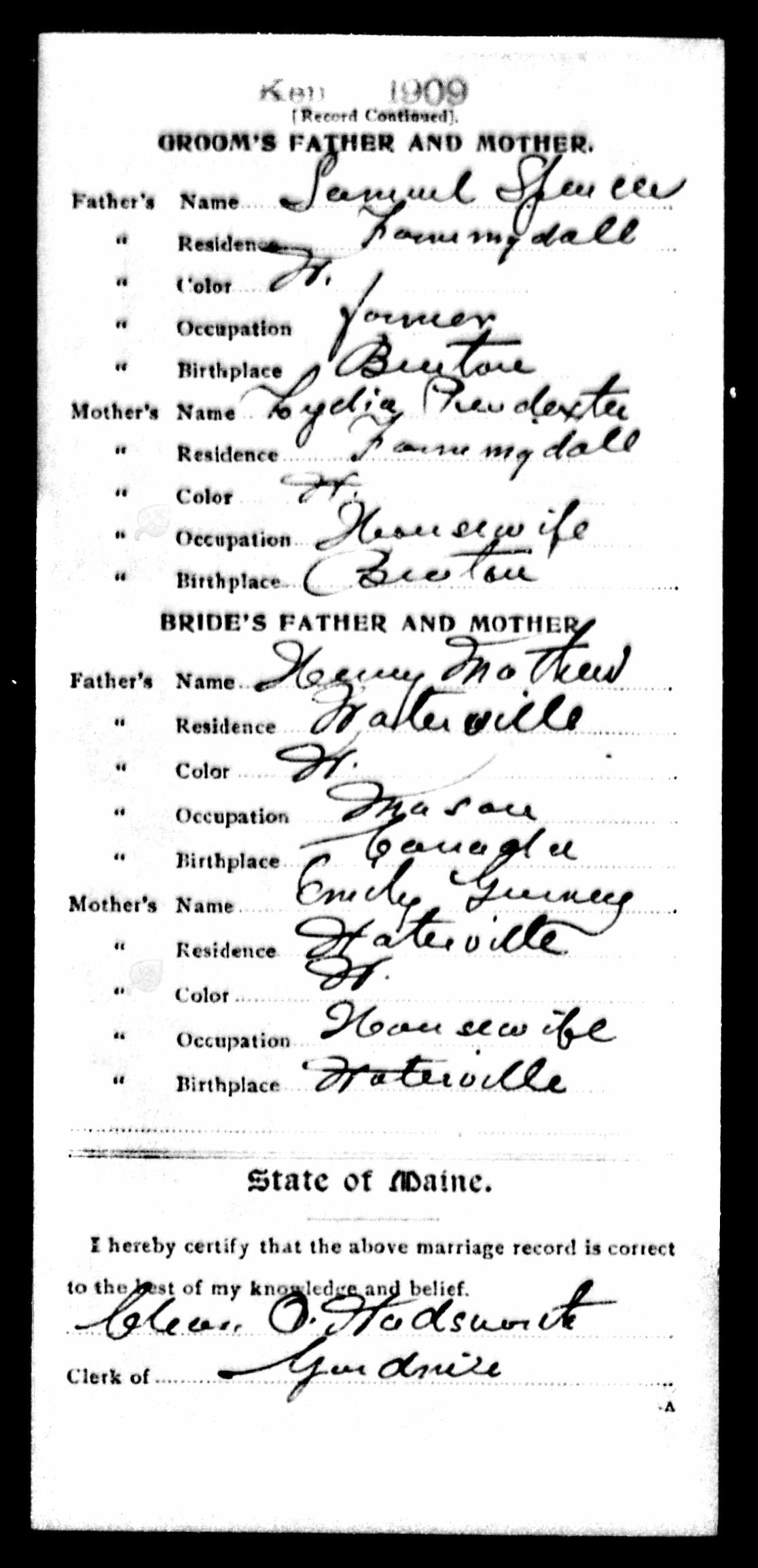
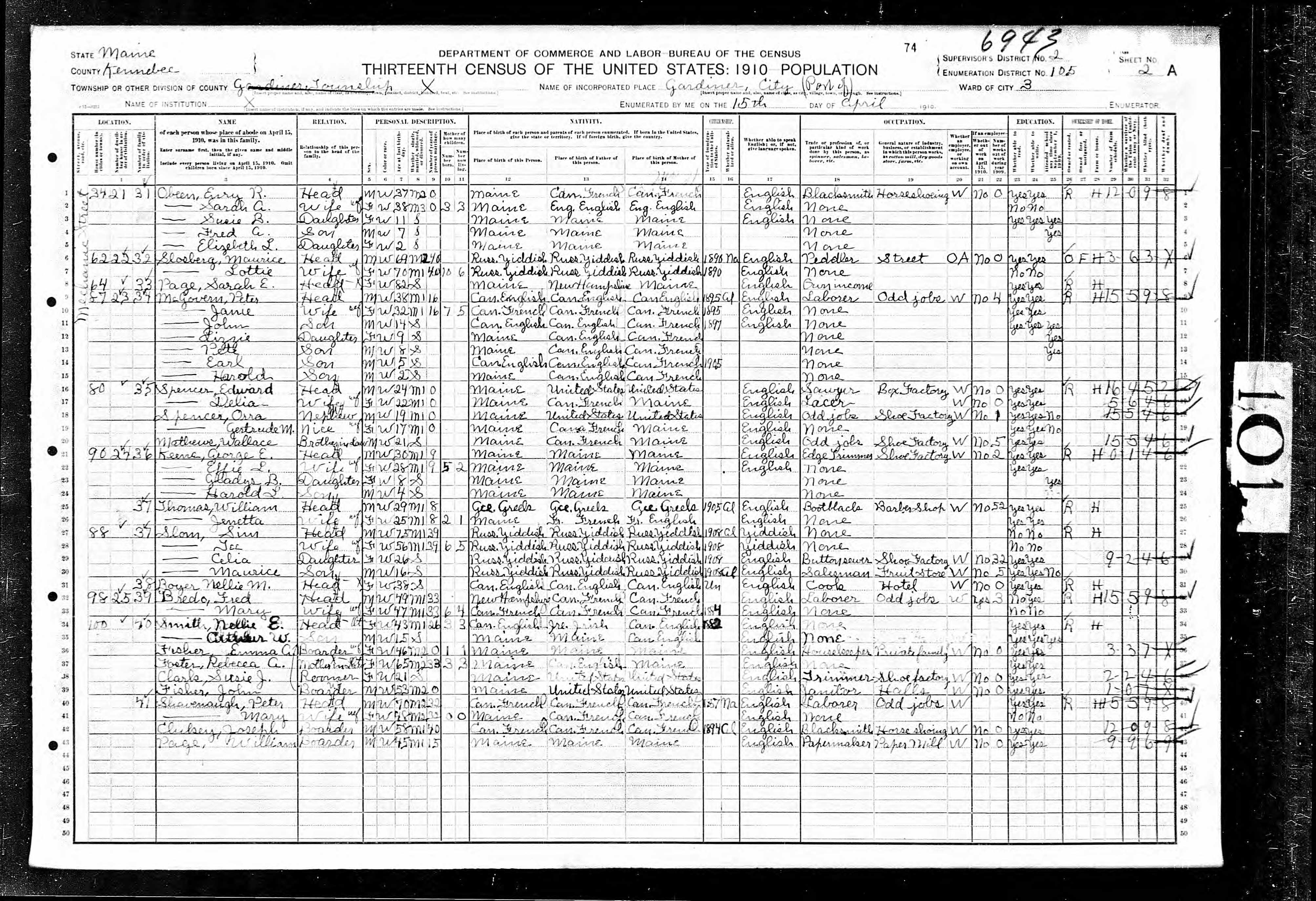
Edwin married Delia Mathews in Gardiner on May 27, 1909. Their marriage record called him a farmer and named Samuel Spencer and Lydia Pendexter as his parents. The 1910 census found the couple in Gardiner, where Edwin was working as a sawyer in a box factory. Delia reported that she had borne no children. Their marriage later ended in divorce.
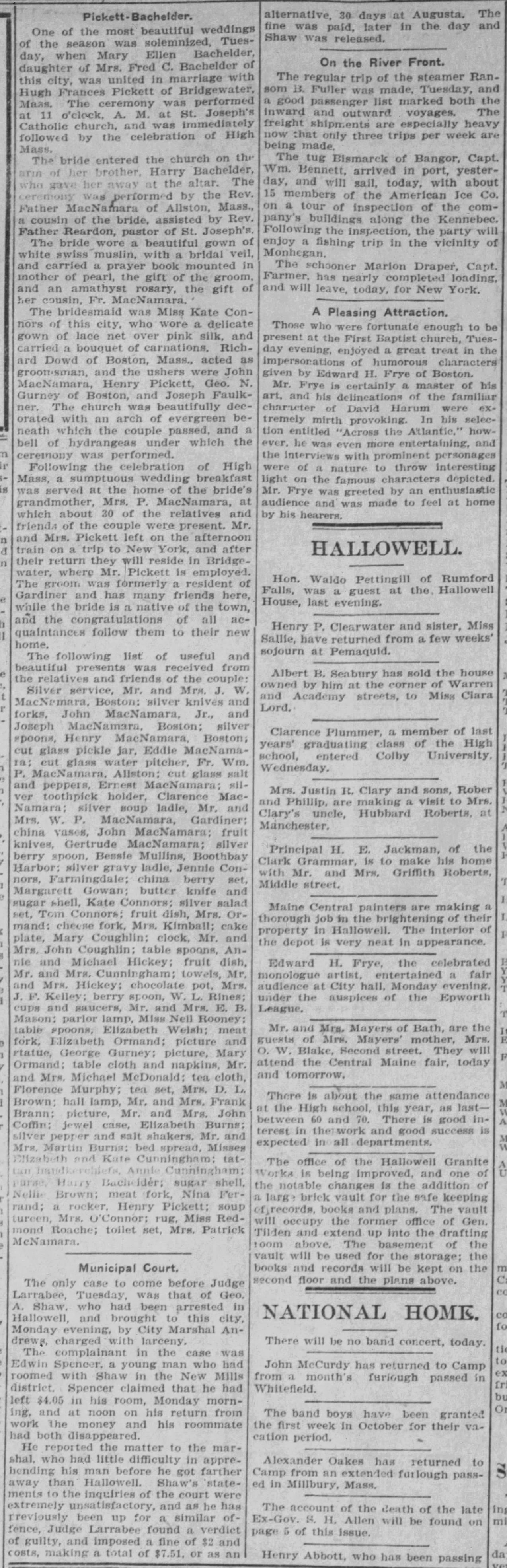
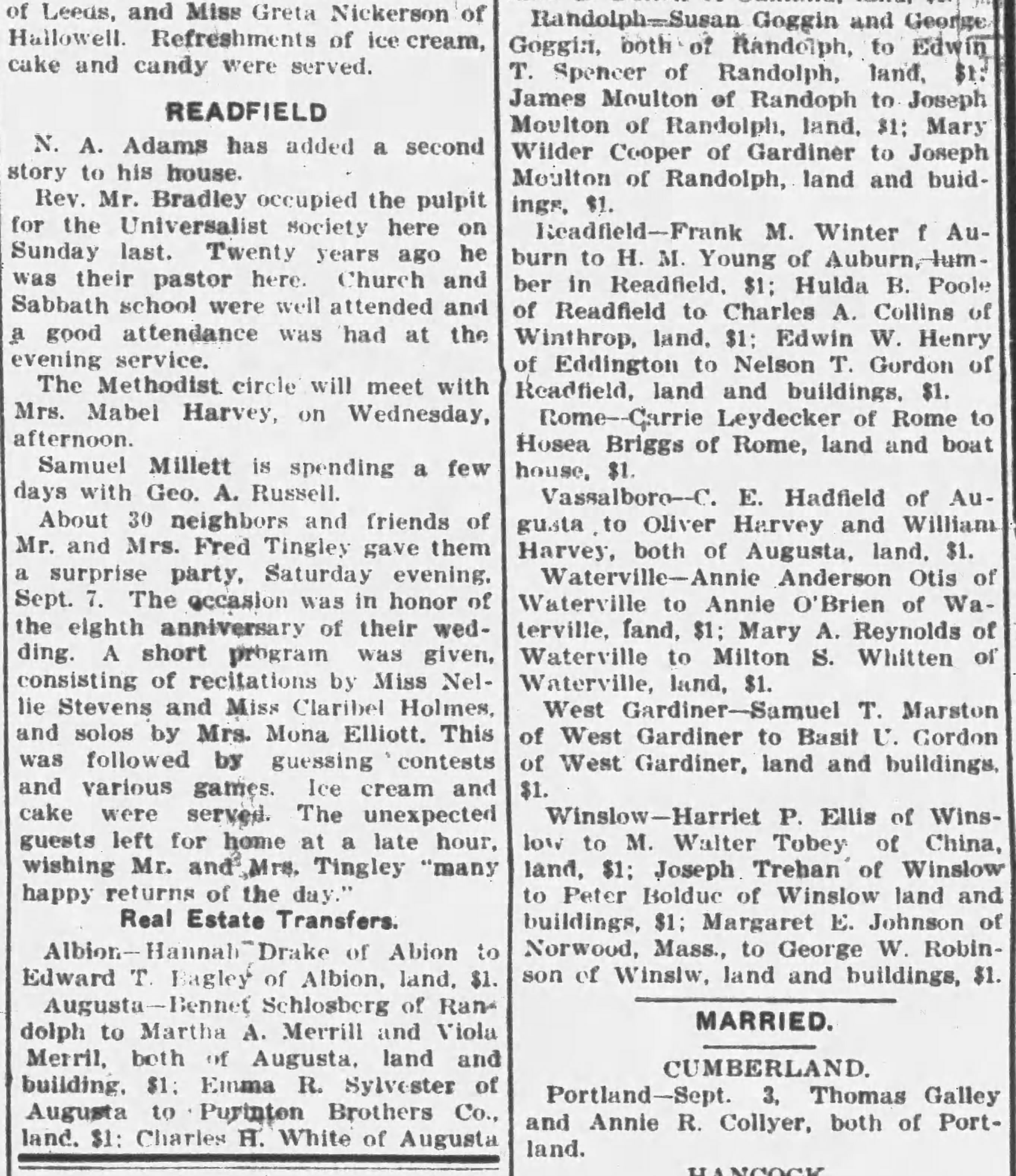
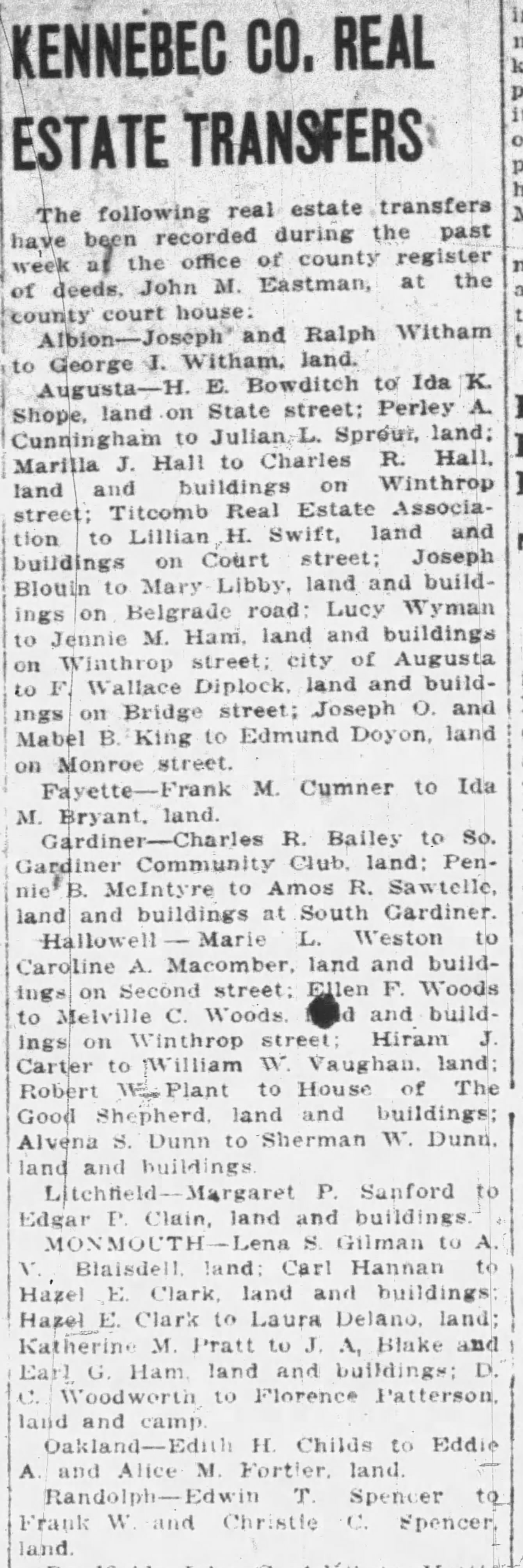
In September 1912, a newspaper list of real-estate transfers recorded George and Susan Goggin conveying land in Randolph to Edwin T. Spencer. Later records repeatedly place Edwin at 62 Kinderhook Street. Although the deed itself is still needed to prove that the 1912 parcel and the Kinderhook property were the same, the timing makes that a strong possibility.
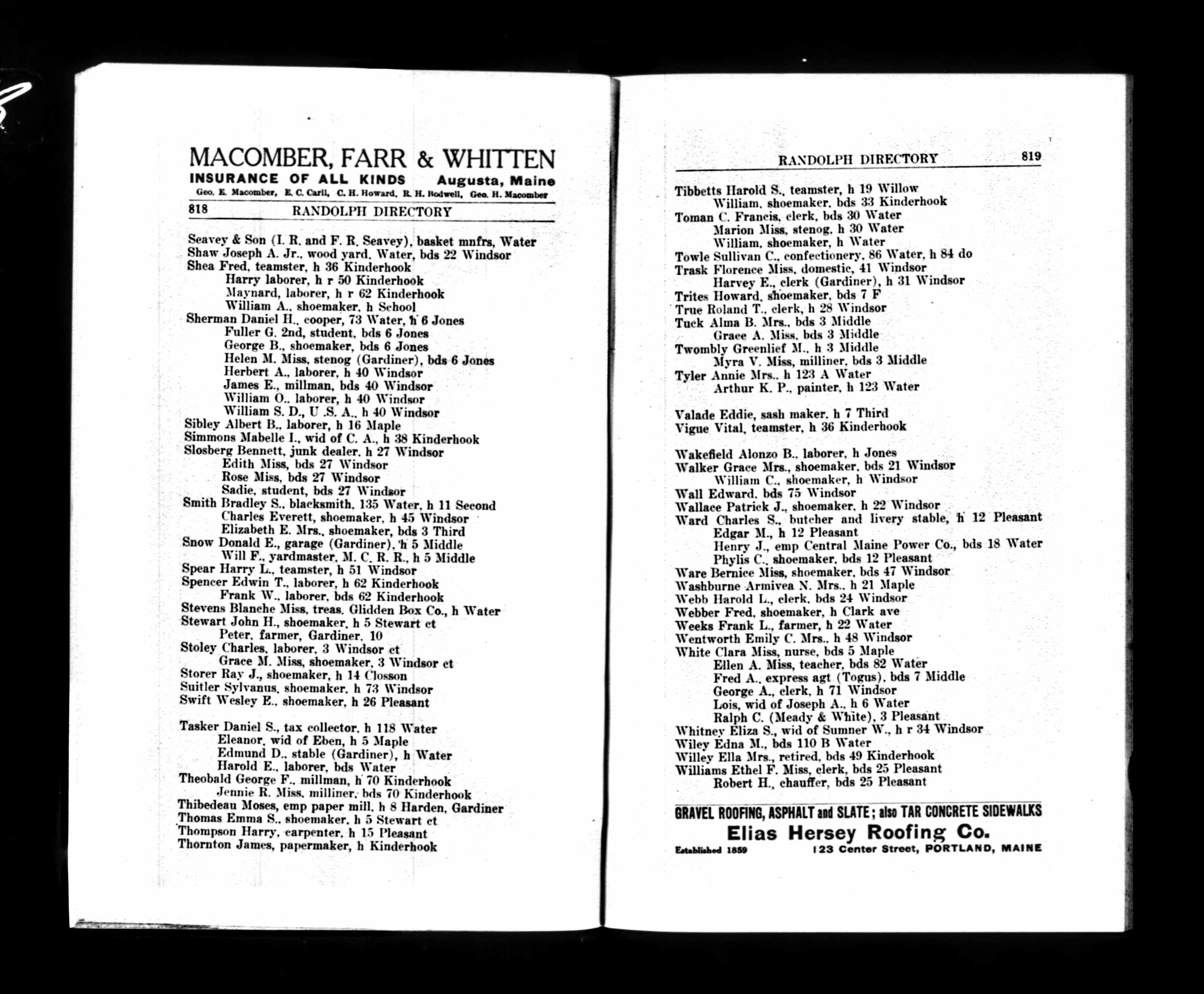
The 1917 Augusta-area directory places Edwin T. Spencer, laborer, at 62 Kinderhook Street. On that same directory page, Mabelle I. Simmons—widow of Charles A. Simmons—was living at 38 Kinderhook Street. Edwin's brother Frank was boarding at Edwin's address.
This does not prove a relationship between Edwin and Mabel. It does, however, establish that they lived on the same Randolph street during the years surrounding the birth of the child later known as Clifton Earl “Skip” Simmons. Skip's original birth record reportedly named him Harold Spencer. That combination of address, surname, and later DNA evidence makes Edwin a serious candidate for Skip's biological father.
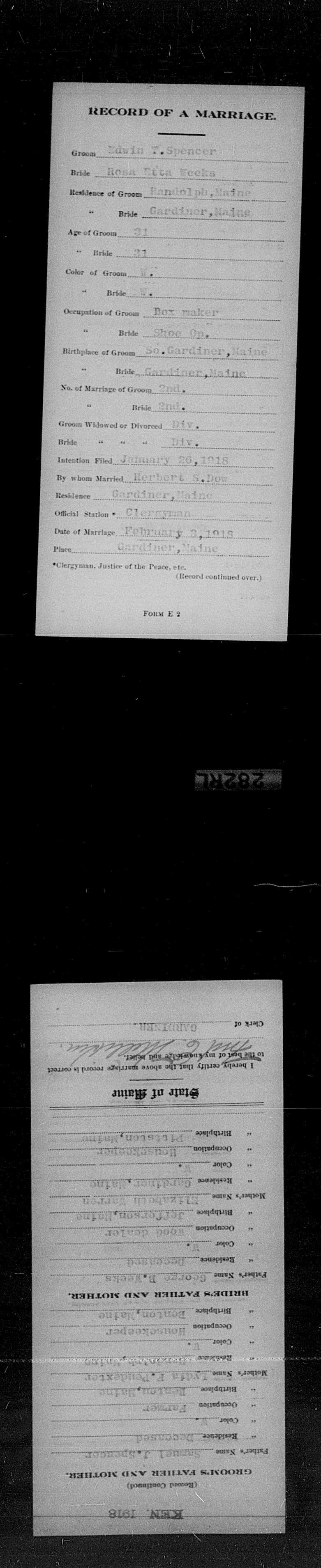
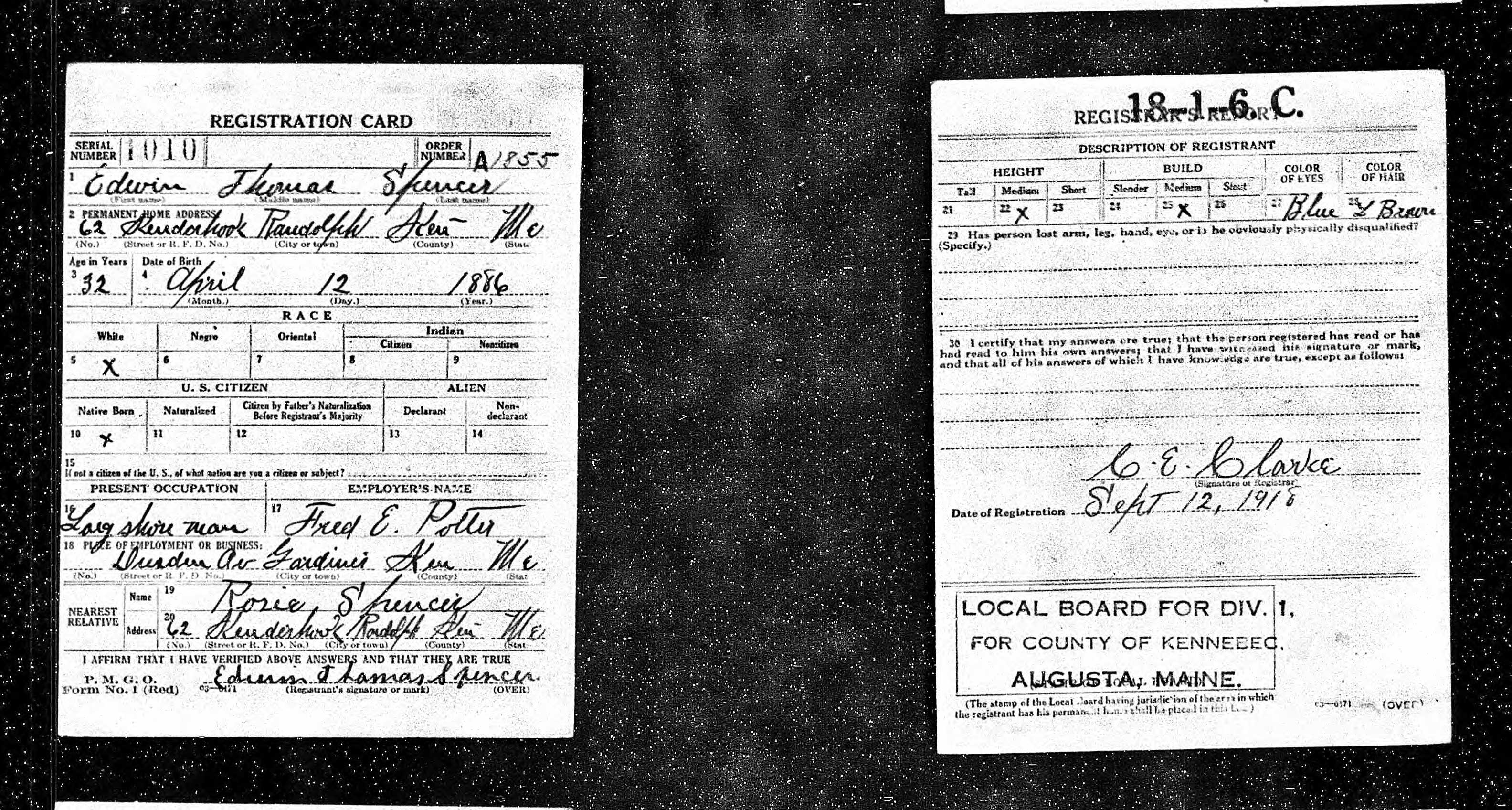
Edwin married Rose Etta Weeks in Gardiner on February 2, 1918. Both had been married before and were divorced. When Edwin registered for the World War I draft that September, he named Rose as his nearest relative and gave their address as 62 Kinderhook. He described himself as a longshoreman employed by Fred E. Potter, with blue eyes and brown hair.
Edwin and Rose were living alone at number 62. The census appears to show that Edwin owned the home free of mortgage. No children were recorded in their household.
The couple remained at 62 Kinderhook. Edwin was working as a carpenter, and their home was valued at $900. Again, no children were in the household.
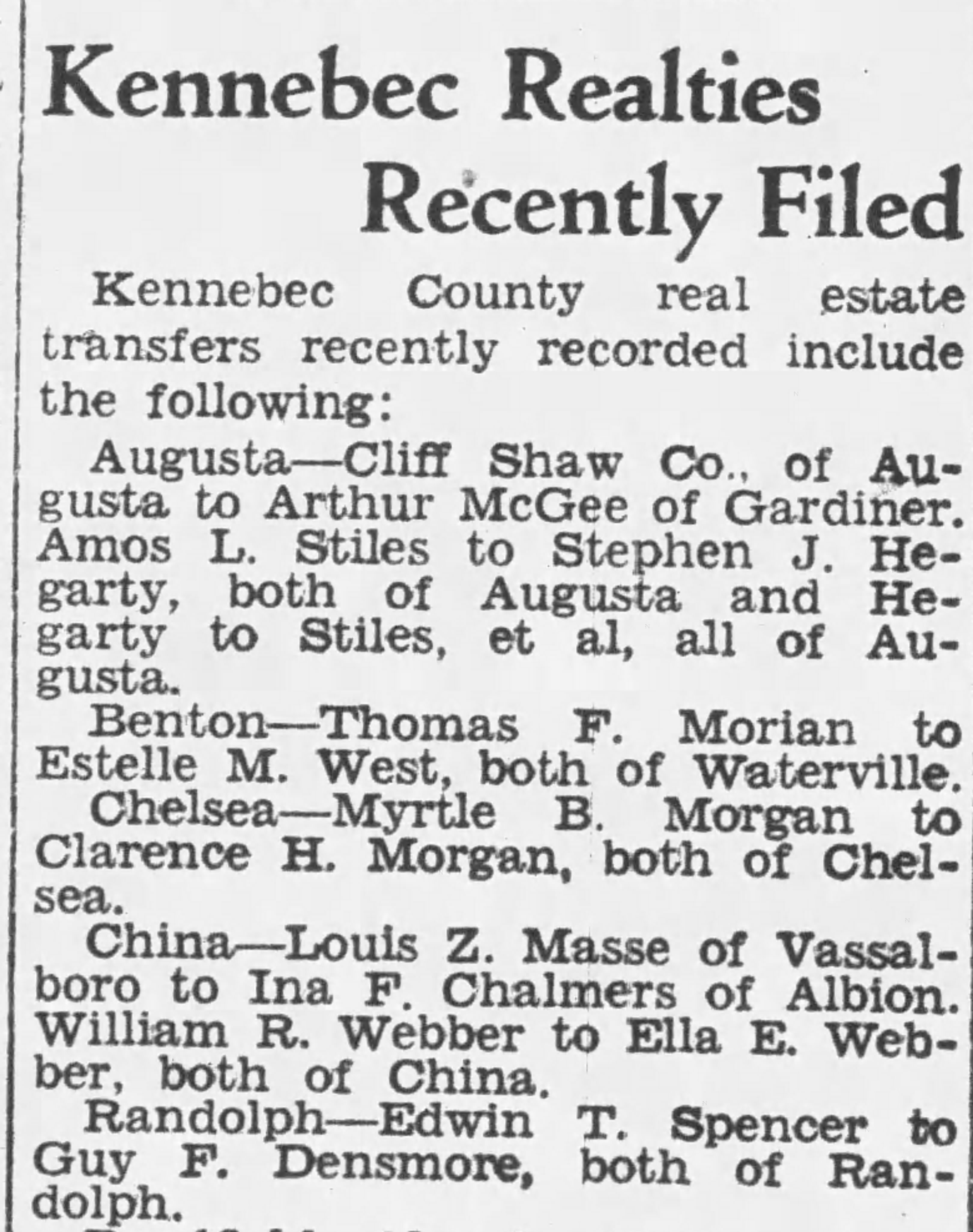
A newspaper report recorded Edwin conveying Randolph property to Guy F. Desmore. The brief notice does not identify the parcel.
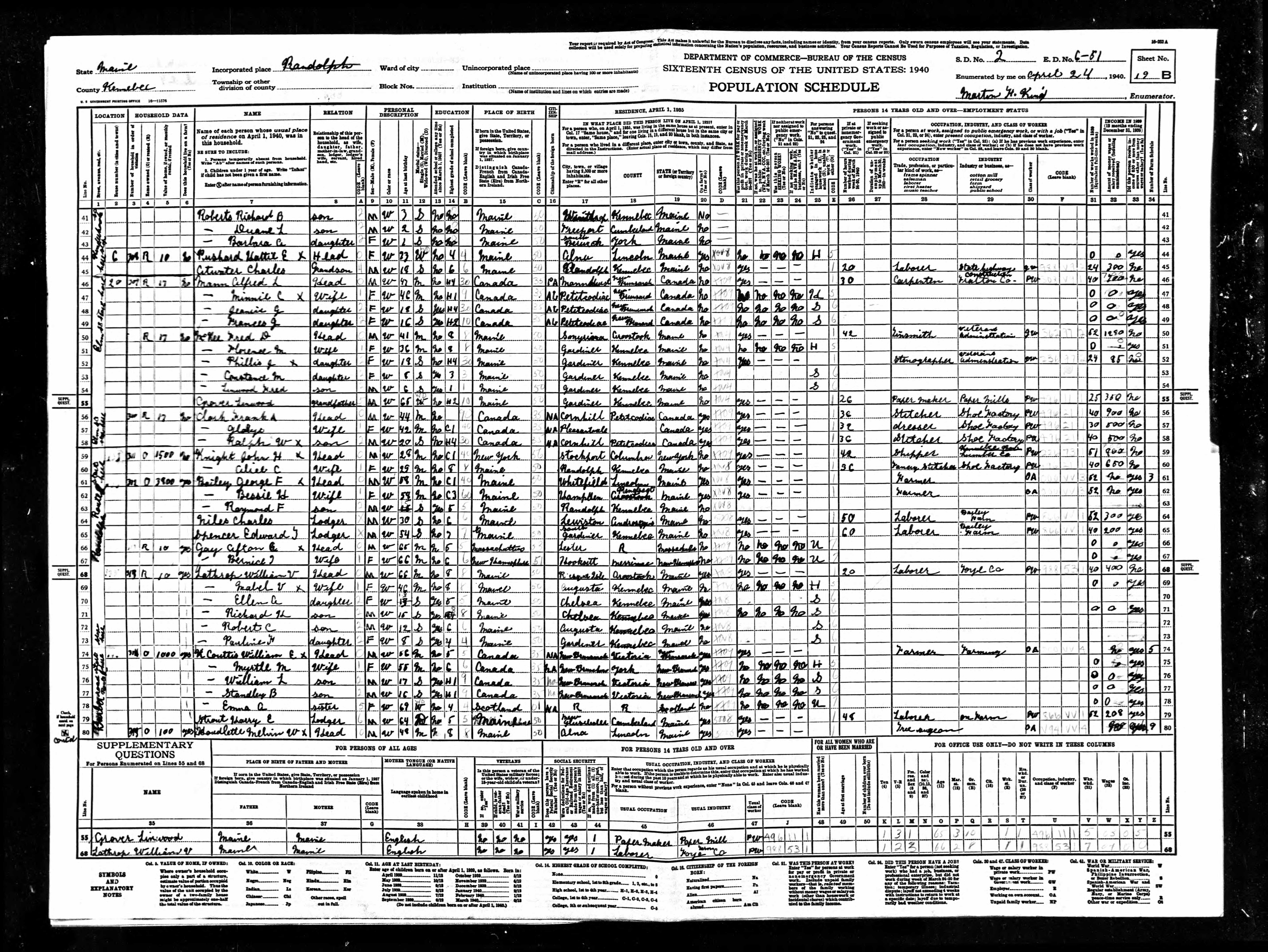
A likely entry appears as “Edward J. Spencer,” age 54, a lodger in Randolph who had lived in Gardiner in 1935 and worked on a poultry farm. The age and places fit Edwin, but the given name, middle initial, and reported marital status conflict. Until another record confirms the identification, this census must remain marked probable, not proven.
Here the identification is clear: Edwin T. Spencer, widowed, was a hired man in an Alna farm household. He had worked fifty hours during the previous week as a farm helper.
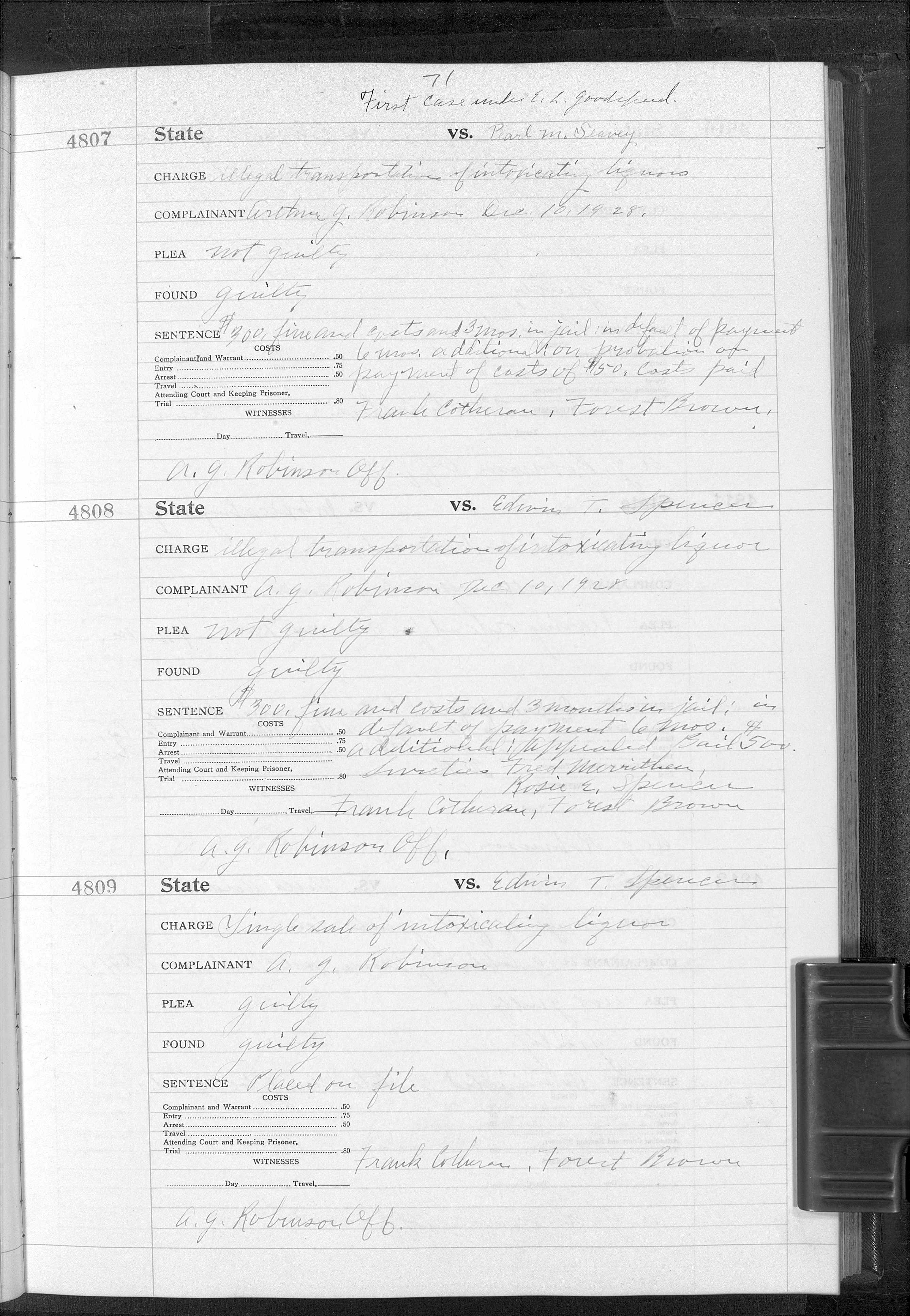
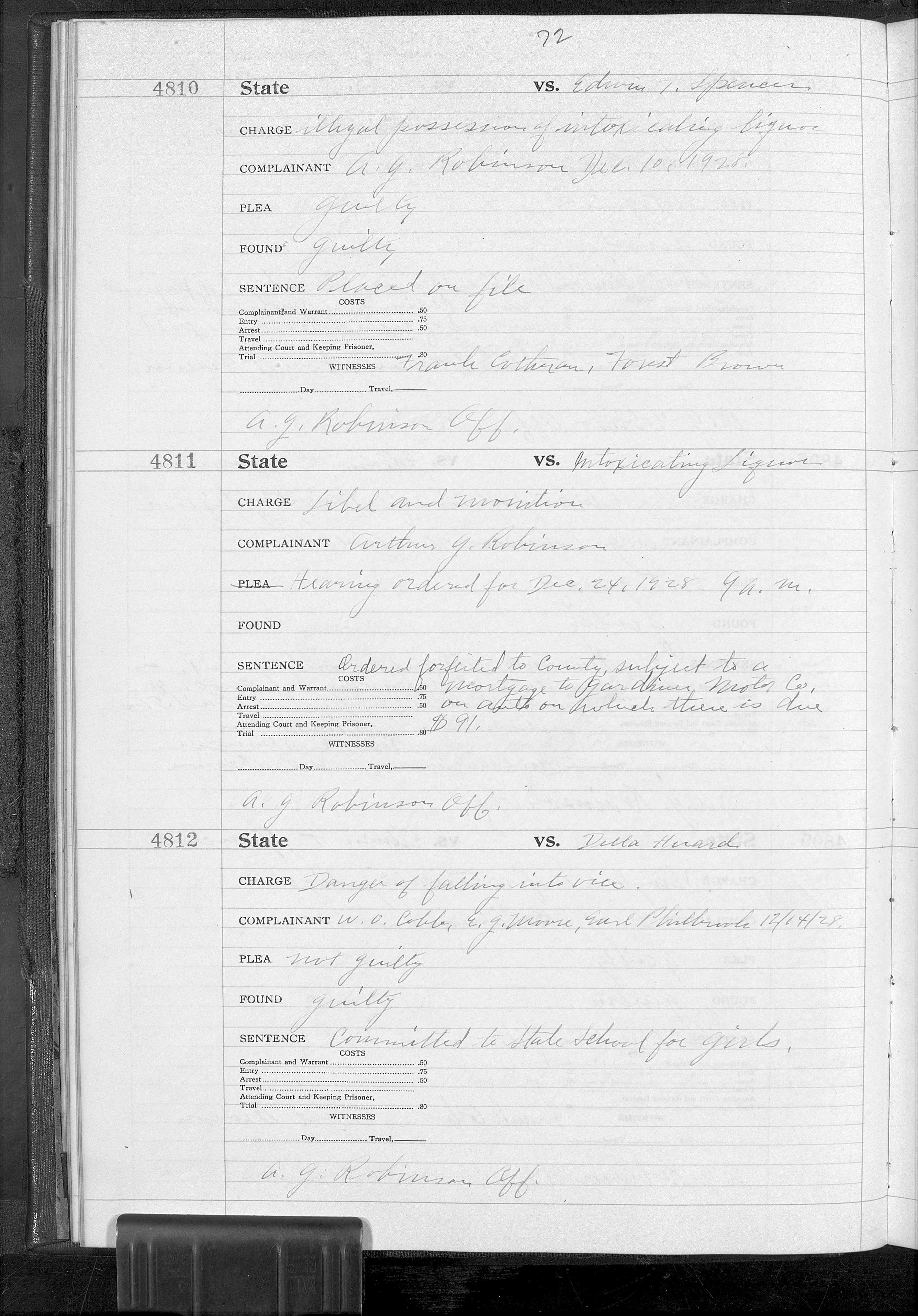
A faithful family history cannot keep only the comfortable pieces. In December 1928, Gardiner court dockets recorded three cases against Edwin involving intoxicating liquor. He pleaded not guilty to illegal transportation but was found guilty and fined $200 and costs, with three months in jail if payment was not made. He pleaded guilty to a single sale and to illegal possession; the sentences in those entries were placed on file. The associated vehicle or property was ordered forfeited.
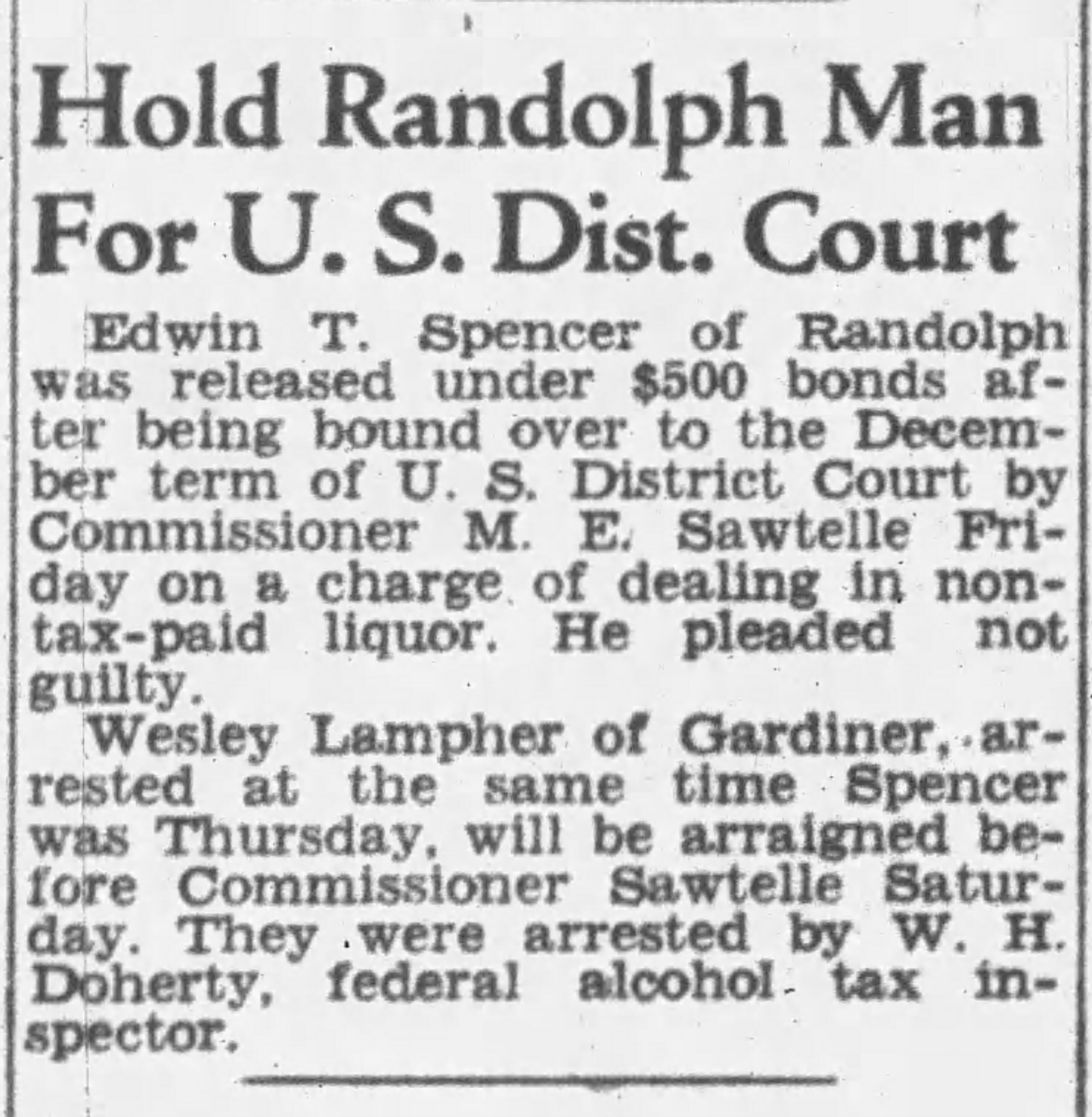
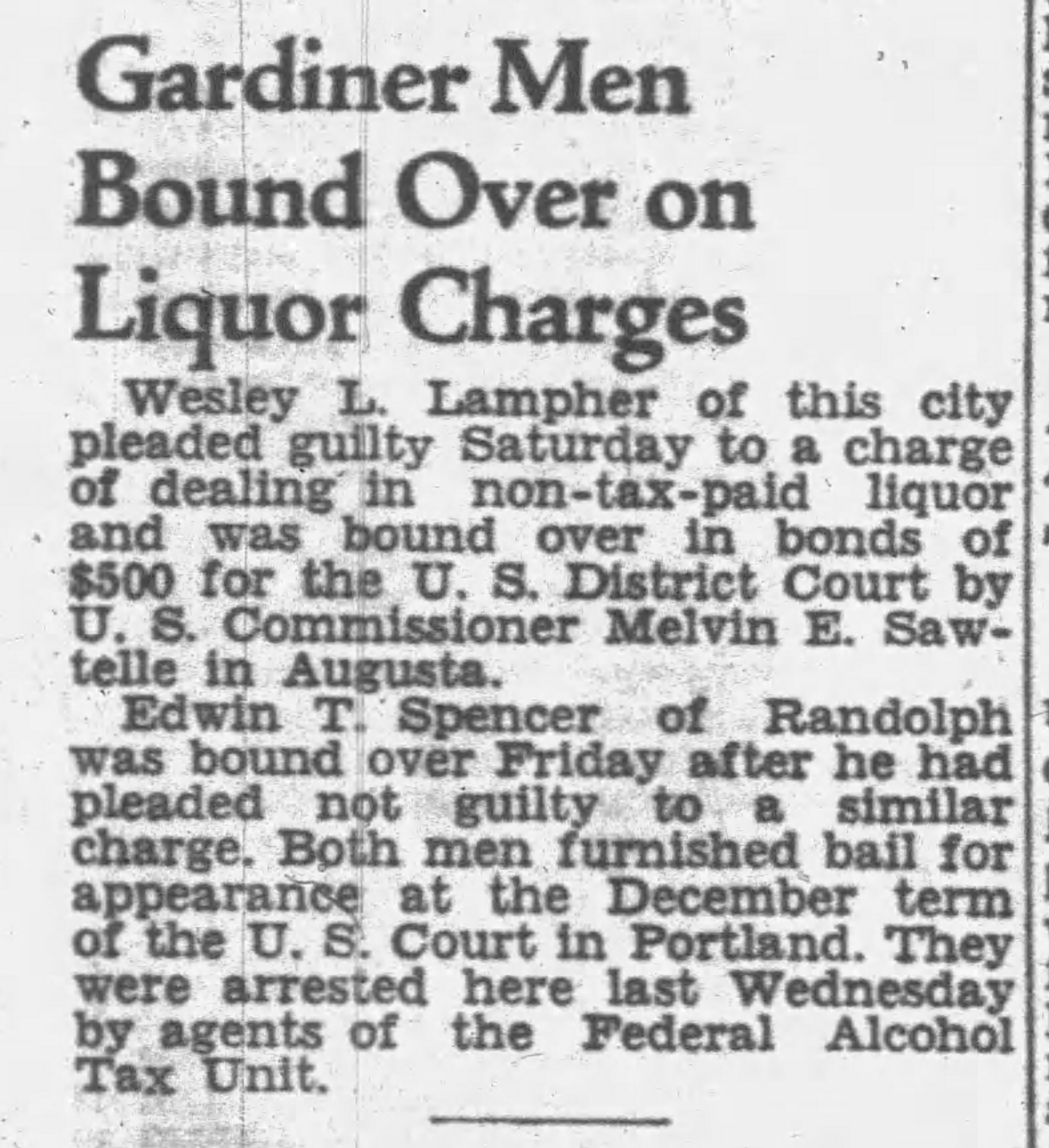
In November 1939, newspapers reported that Edwin and Wesley Lampher were arrested by a federal alcohol-tax inspector and charged with dealing in non-tax-paid liquor. Edwin pleaded not guilty and was released under $500 bond for federal court. The clippings in this collection do not tell us the final outcome, so the charge should not be presented as a conviction.
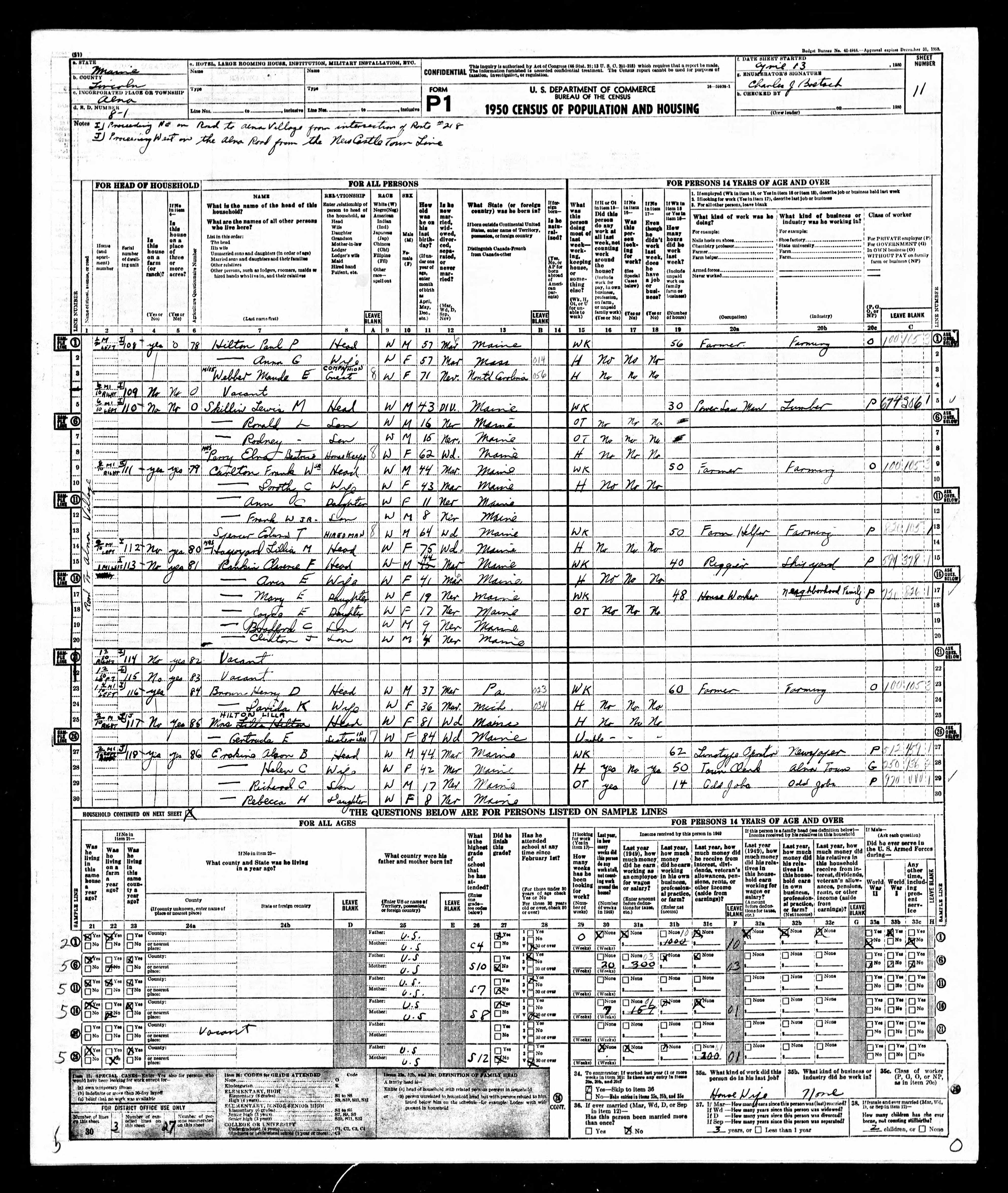
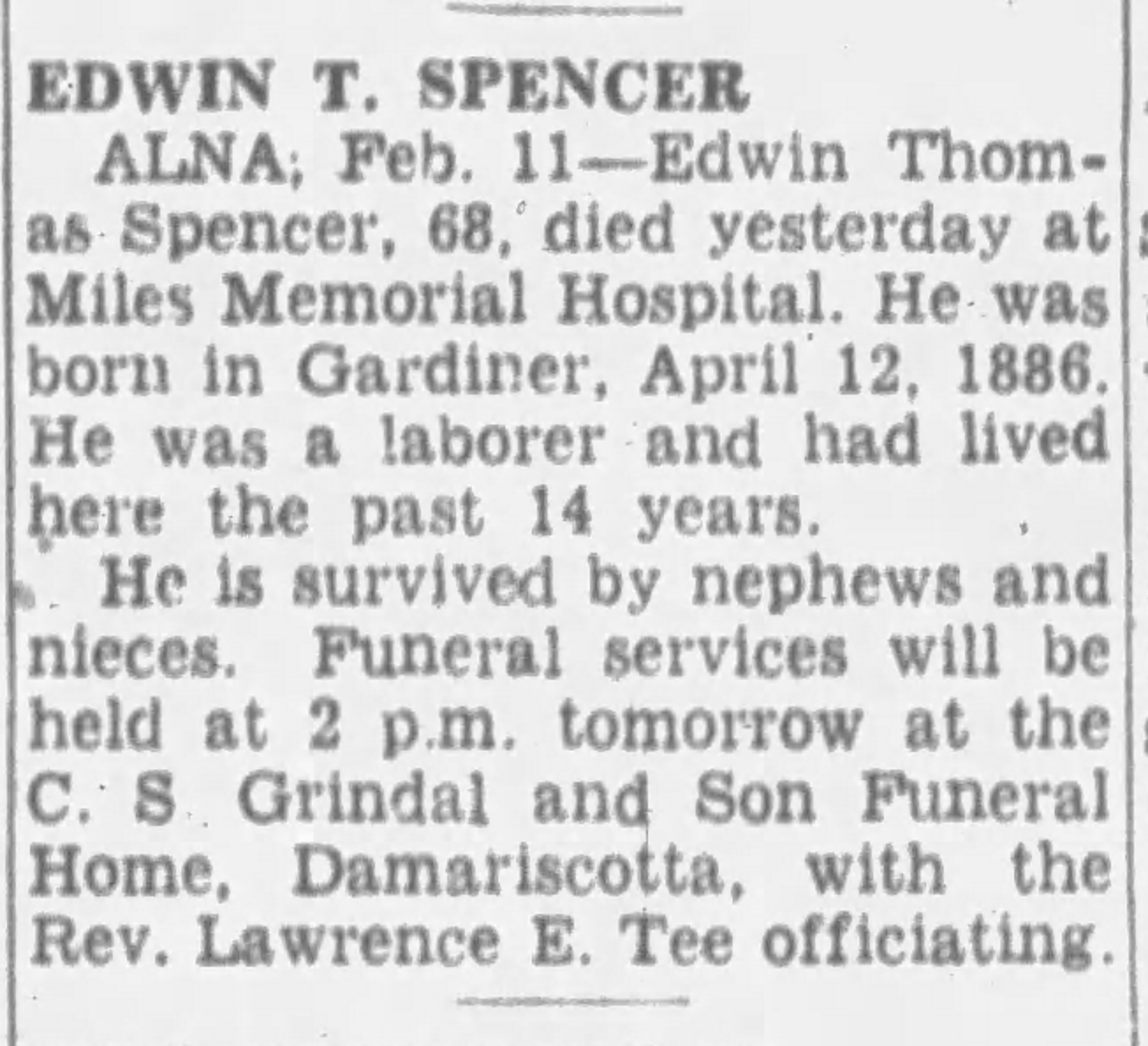
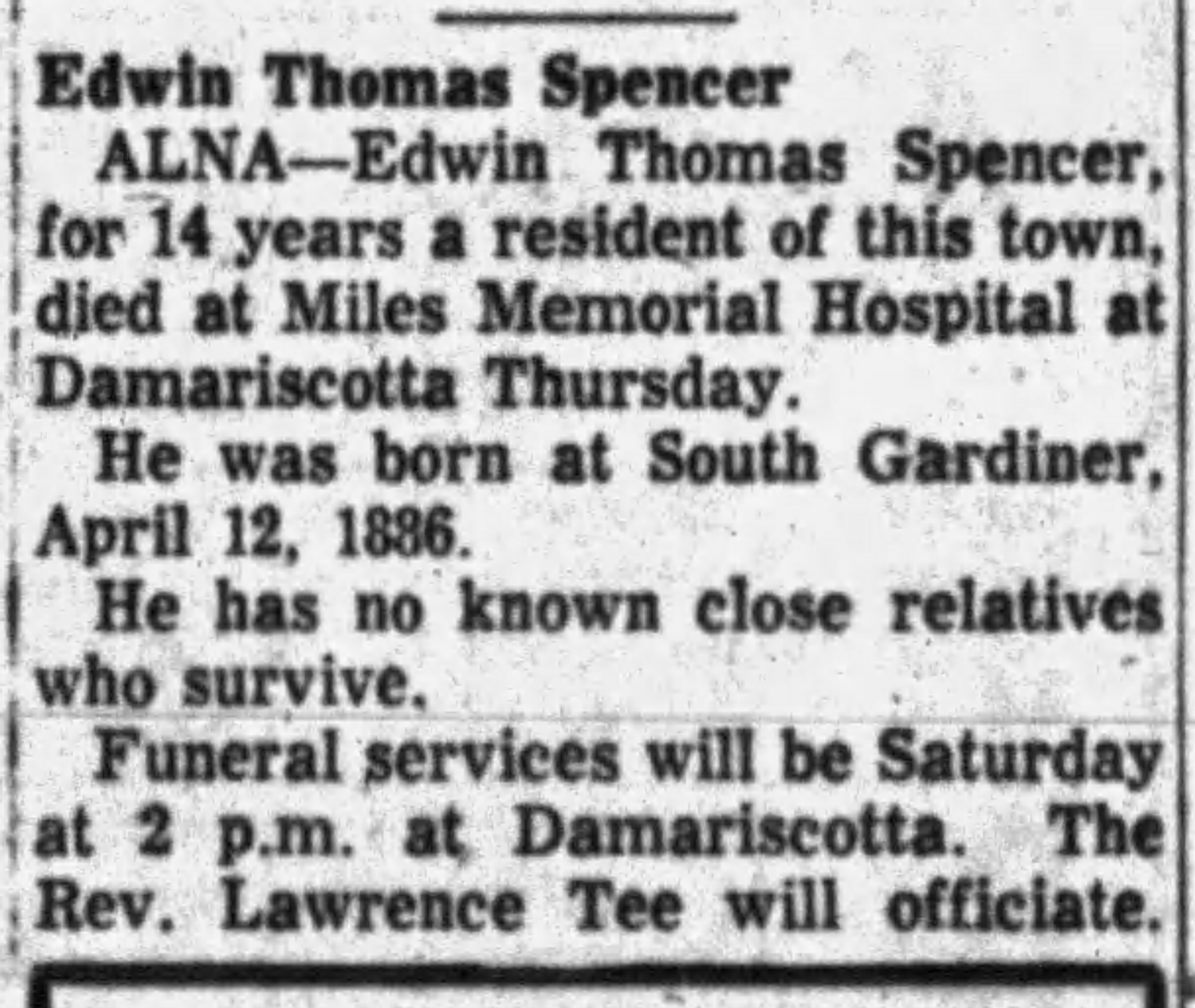
By 1950 Edwin was in Alna, living and working within another family's farm household. His obituary later said that he had lived in Alna for fourteen years and had worked as a laborer. Edwin died at Miles Memorial Hospital in Damariscotta on February 10, 1955, at the age of sixty-eight.
One obituary said he had no known close surviving relatives; another stated that nieces and nephews survived him. Together, the notices suggest not an absence of family, but distance—the difference between having kin recorded on paper and having someone immediately at hand.
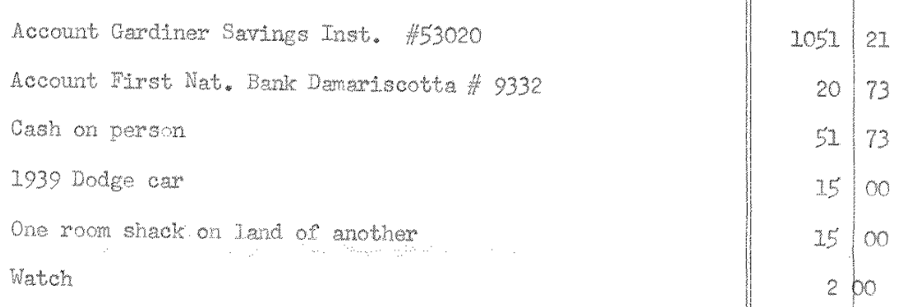
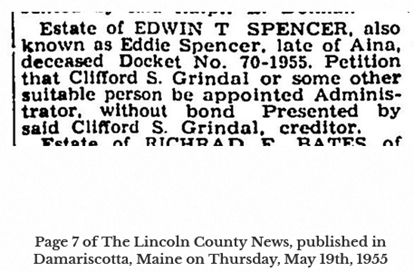
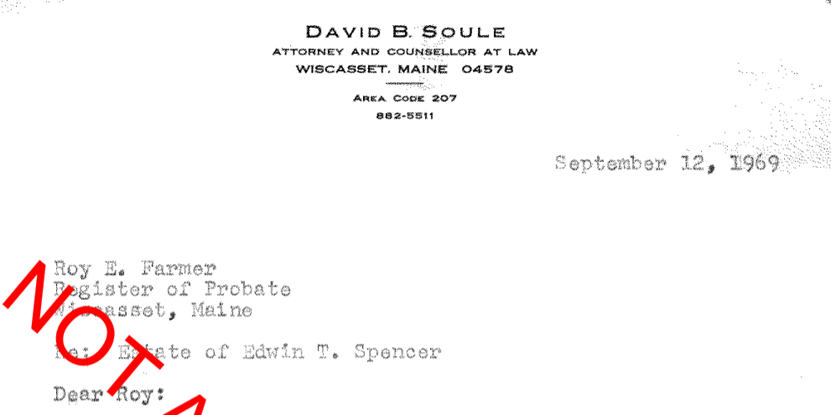
Edwin died without a will. Clifford S. Grindal, the undertaker who handled his funeral, was appointed administrator and appeared in the probate notice as a creditor. The surviving inventory is painfully ordinary—and therefore deeply human.
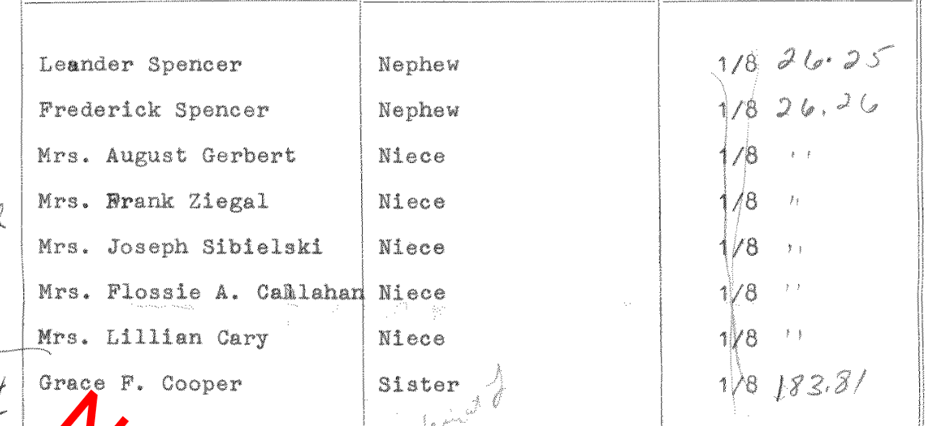
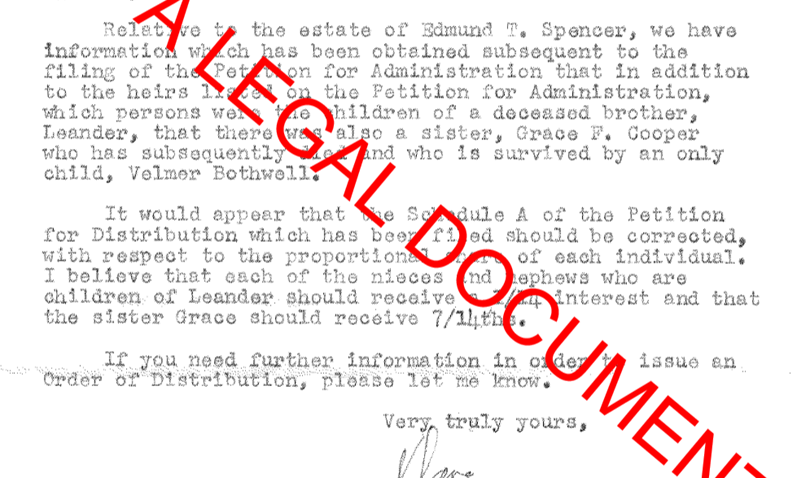
The probate papers named his sister Grace F. Cooper and the children of his deceased brother Leander. Those nieces and nephews included Leander and Frederick Spencer and several married nieces. The woman listed as Mrs. Frank Ziegal appears to have been Lottie Estelle Spencer, later wife of Frank William Ziegel—the same Lottie found as a three-year-old in the 1900 household.
Family trees attached to several DNA matches described Lottie Estelle Spencer as being from Frankfort, Indiana. The 1900 census tells a different and far more useful story: young Lottie was living in Farmingdale, Maine, as the daughter of Edwin's brother Leander and Hattie Spencer. Edwin was her uncle.
If Edwin was Skip's biological father, Skip and Lottie would have been first cousins. DNA matches between their descendants would therefore be expected. To test that hypothesis properly, each match still needs to be charted by exact descent, shared centimorgans, and shared-match groups. But Lottie's documented place in Edwin's immediate family turns those matches from a vague Spencer coincidence into meaningful evidence.
Funeral services were held at the C. S. Grindal and Son Funeral Home in Damariscotta, with the Rev. Lawrence E. Tee officiating. Edwin was laid to rest in The New Hillside Cemetery. The cemetery map marks plot 9 with the Spencer name, and his carved stone now stands as something his probate inventory could never measure: proof that he was here and that his name was not entirely lost.
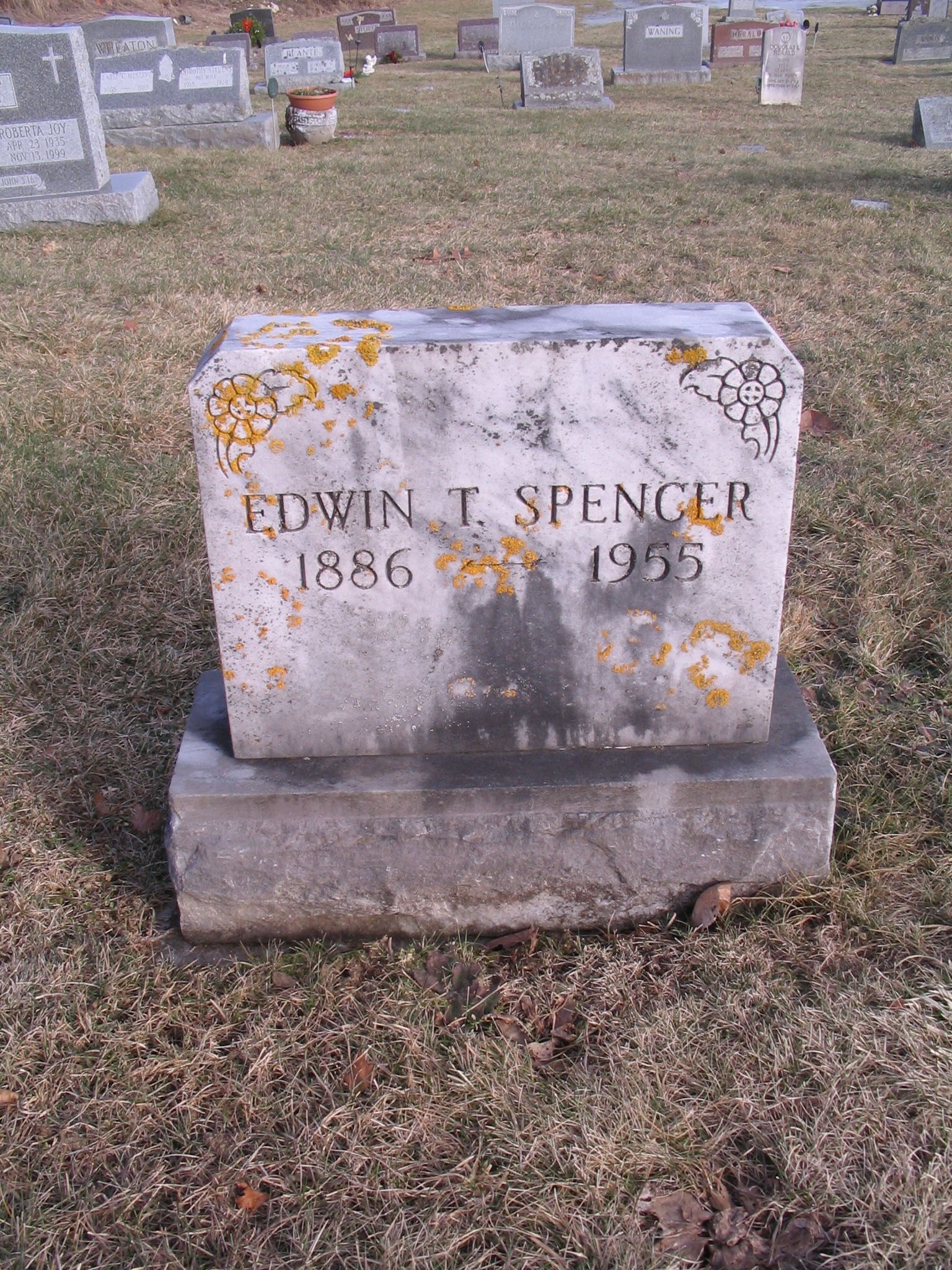
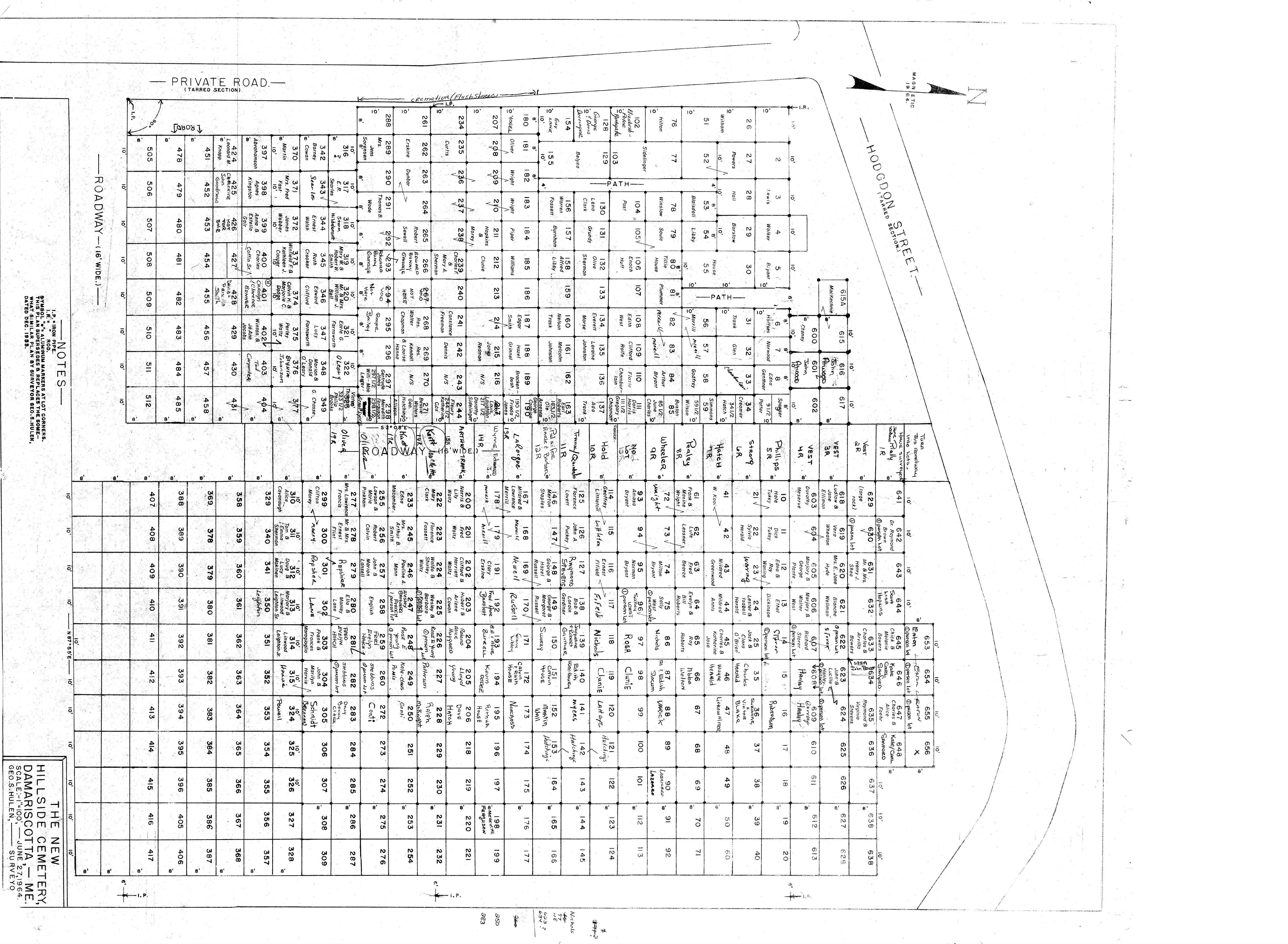
For many years Edwin was little more than a name at 62 Kinderhook. Now his work, his kin, his wandering path through Maine, and the unanswered thread leading toward our family have brought his story back into the light.
Documented: Edwin's birth date, parents, marriages, occupations, residences, land transactions, court entries, death, burial, estate, and legal heirs are drawn from the records displayed on this page.
Inferred but not yet proven: The 1912 land may have been the property at 62 Kinderhook; “Edward J. Spencer” in the 1940 census may be Edwin; Mrs. Frank Ziegal in the probate papers appears to be Lottie Estelle Spencer Ziegel.
Continuing family hypothesis: Edwin may have been the biological father of Clifton Earl “Skip” Simmons. The shared neighborhood, original Spencer surname, and DNA connections are evidence to investigate, not permission to turn a possibility into a settled fact.