
Ishmael Eugene Rogers — a Kentucky boy who carried his stories, family ties, humor, and memories with him throughout his life.
A Kentucky Beginning
Ishmael Eugene Rogers was born August 17, 1937, in Menifee County, Kentucky, the son of Matt Rogers and Hazel Robbins Rogers. He grew up in a large family, surrounded by brothers, sisters, cousins, farm life, and the hills and hollows that remained part of his stories for the rest of his life.
The 1940 census places the Rogers family together in Menifee County while Ishmael was still a small child. By 1950 he was living with his parents and brothers in Clark County, Kentucky. Around the age of thirteen, he moved to Indiana, where he would spend most of the rest of his life.
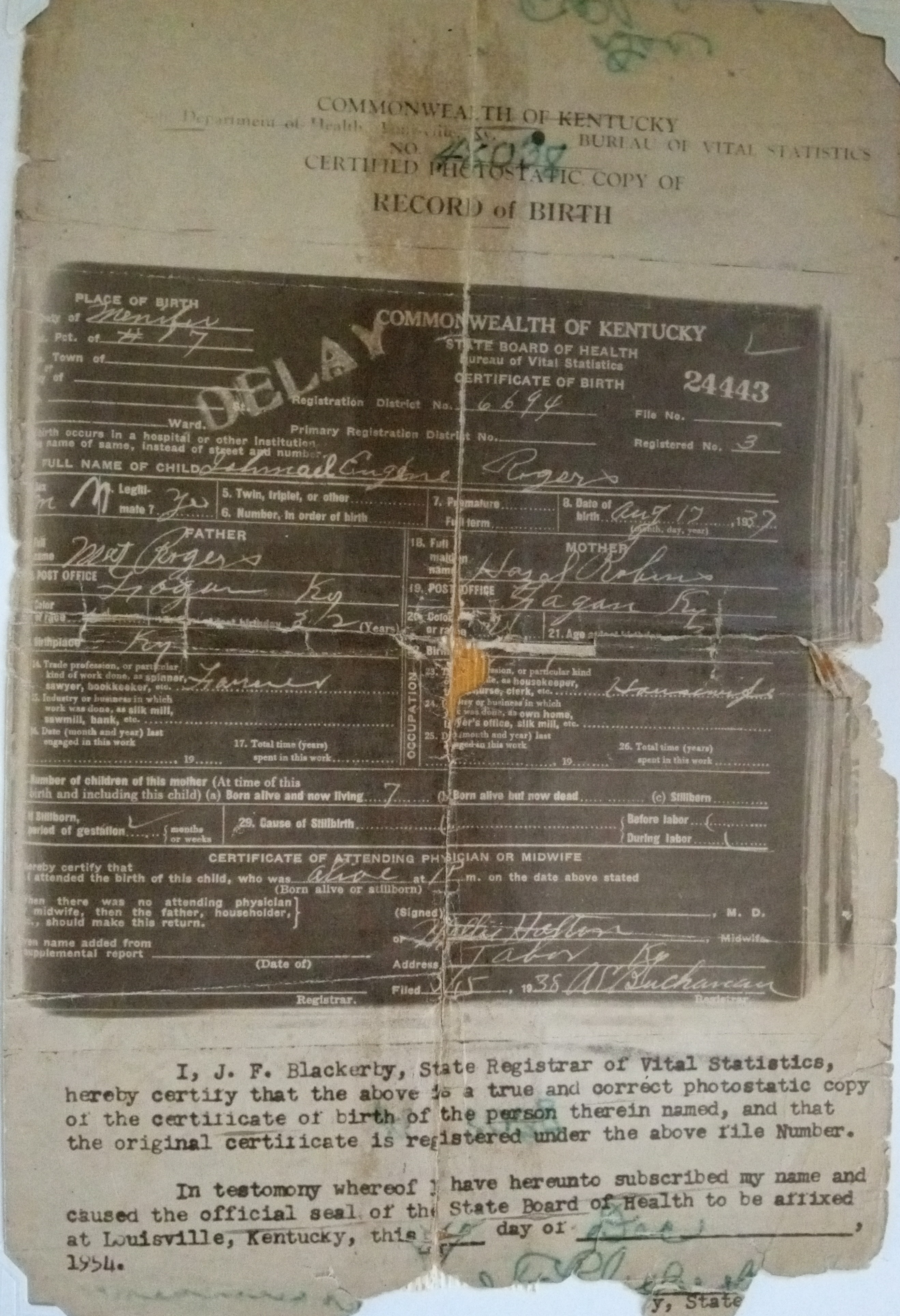
Birth record for Ishmael Eugene Rogers, born in Menifee County, Kentucky.

The Rogers household in the 1940 Menifee County census.
Raised with a Sister's Hand
Much of the day-to-day raising of Ishmael and his younger brother Garnett fell to their older sister Ruth. Years later, Dad still told stories from those days, little memories that stayed bright because they belonged to the family.
One time someone told little Ishmael to hide from Ruth. He did exactly that. Before long the family began calling for him. When Ruth called out for her little brother, his hiding place did not last very long.
“Here I is, Sissy!”
Another story involved an apple. Ishmael had one, but his sisters Gertha and Dorothy sent him over the hill on an errand. By the time he came back, the apple was gone.
His sisters had eaten it.
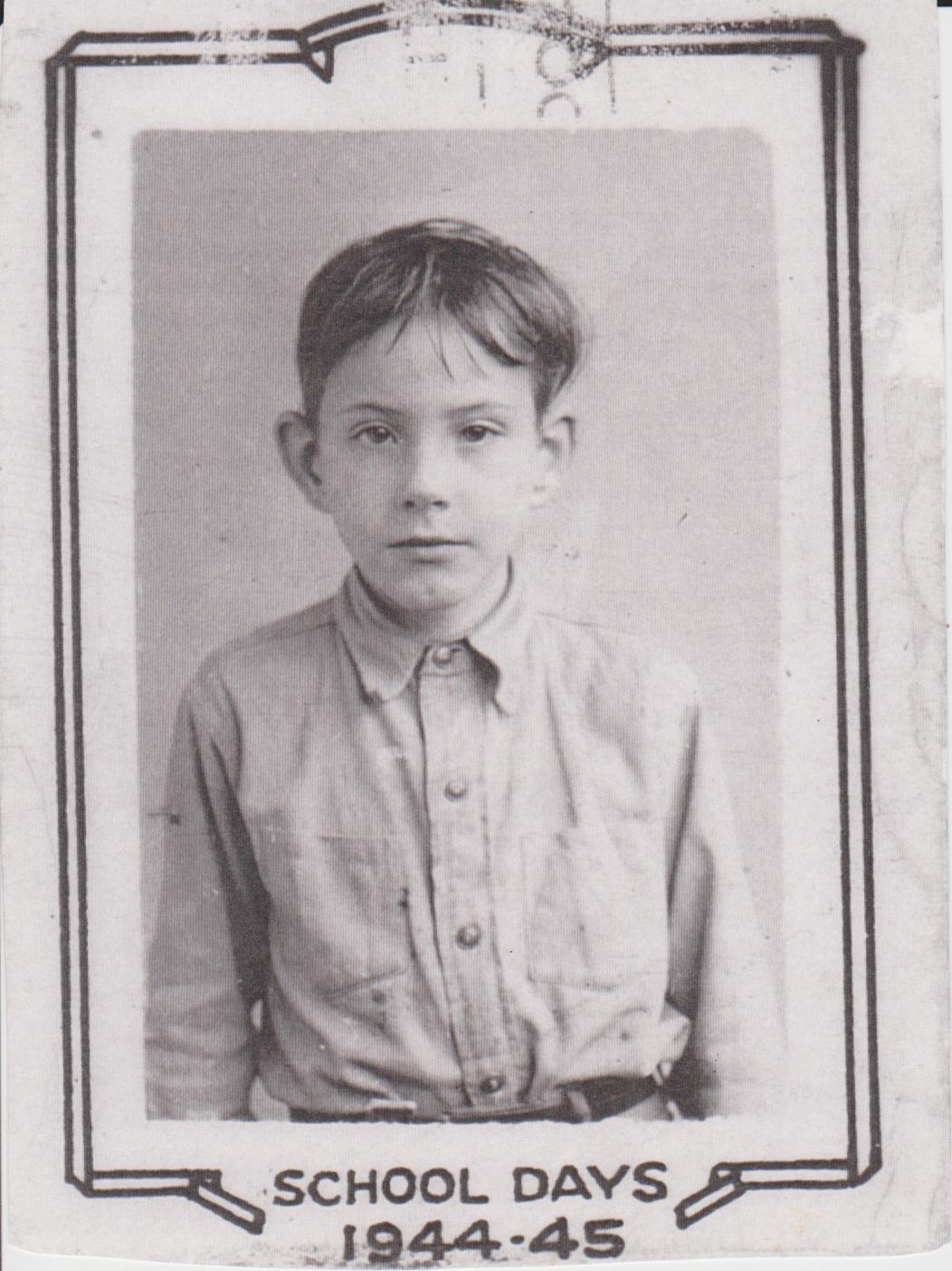
Ishmael during the 1944–45 school year.
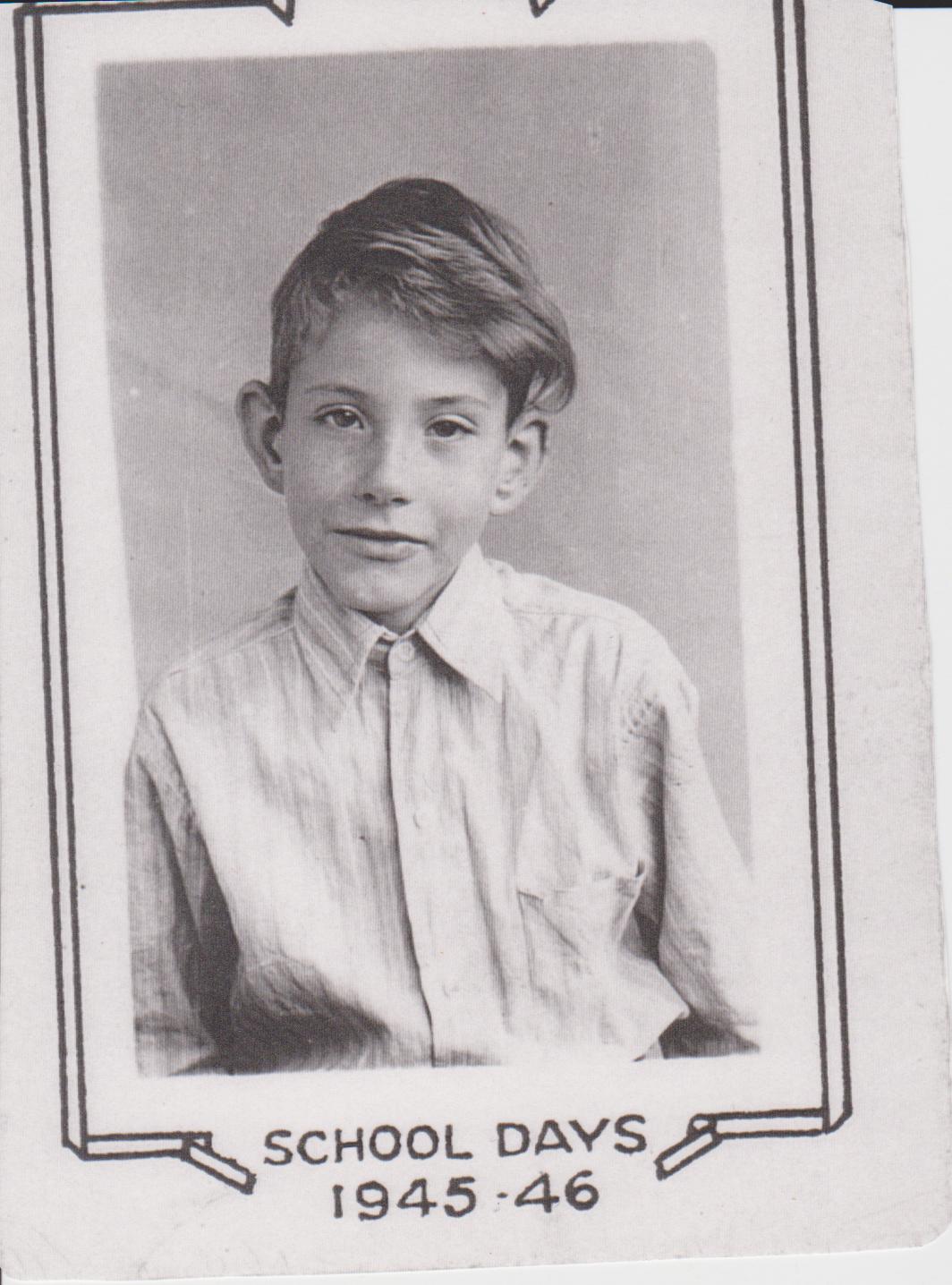
Ishmael during the 1945–46 school year.
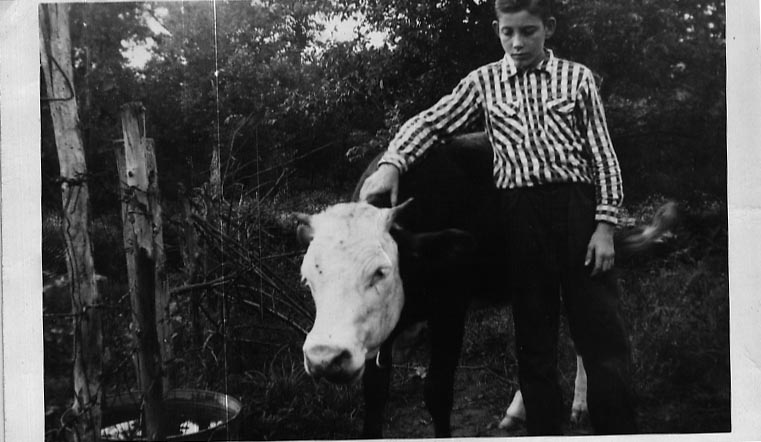
A glimpse of Ishmael's younger years and the farm life he remembered.
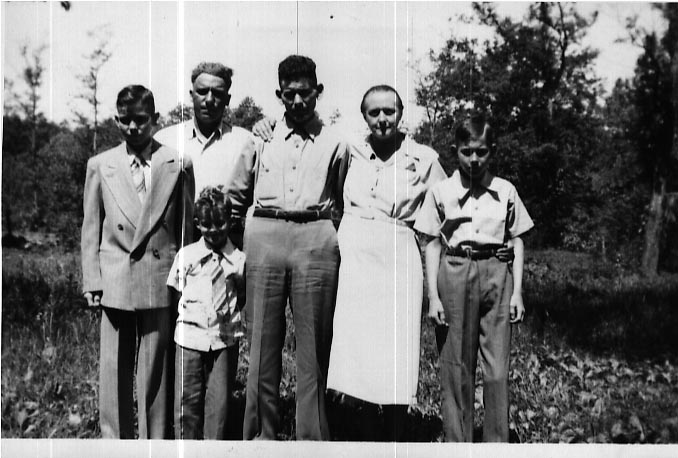
Family was part of the story from the very beginning.
Growing Up, Working & Telling Stories
Ishmael worked at Stellite and Cuneo Press in Kokomo, Indiana, and also spent time working on farms as a farm hand. Farm work was never just a line on a record to him; it became part of the stories he told years later.
He also remembered his younger days with his brother John Mitchell “Mitch” Rogers, cousin Grady, and other cousins. He told stories about running around Logansport, including tales of the city's old red-light district — the kind of stories that often came out when family was sitting around visiting and remembering what once was.
He liked to wrestle with his brothers and nephews, and he carried a playful streak well into adulthood.
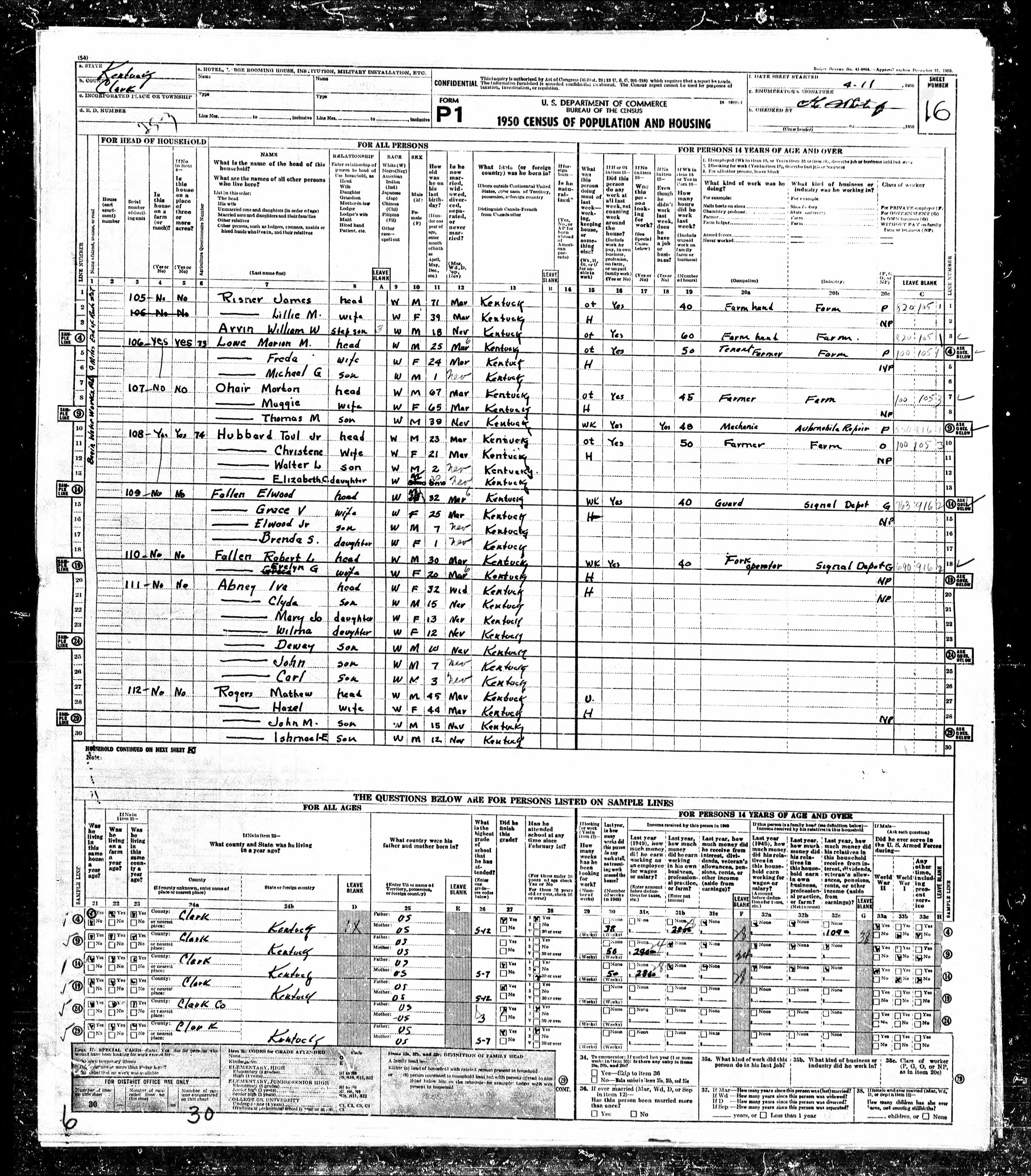
The 1950 Clark County census, shortly before Ishmael's move to Indiana.
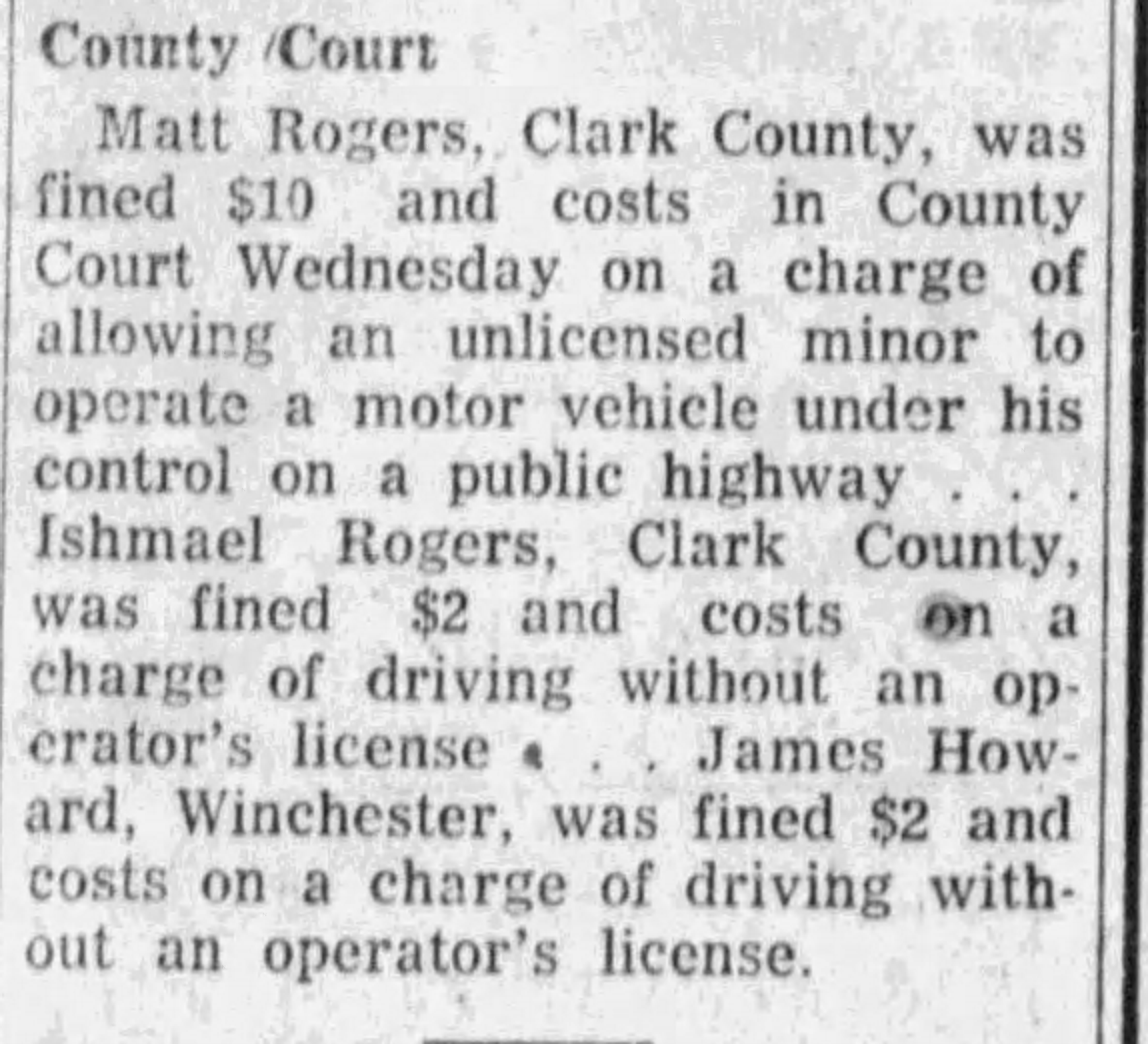
A little newspaper reminder that youth sometimes comes with a story or two.
How He Met Virginia
Dad used to tell how he met Virginia. He had gone over to his cousin Anita's house, where Virginia was babysitting. Anita had married Virginia's uncle Buddy, so the family connection was already there.
Dad knocked on the door. Virginia came to answer it but apparently just stood there for a moment.
“Well, open the door and let me in!”
Somewhere between that first awkward meeting and the visits that followed, Ishmael and Virginia began dating.
They married August 6, 1958, in Kokomo, Indiana. Family memory holds that neither of them was old enough to marry without permission and that family members signed for them. Their marriage would last more than six decades. Together they raised a large family and shared the ordinary years that make up a lifetime — children, grandchildren, work, family gatherings, trips, laughter, and stories retold again and again.
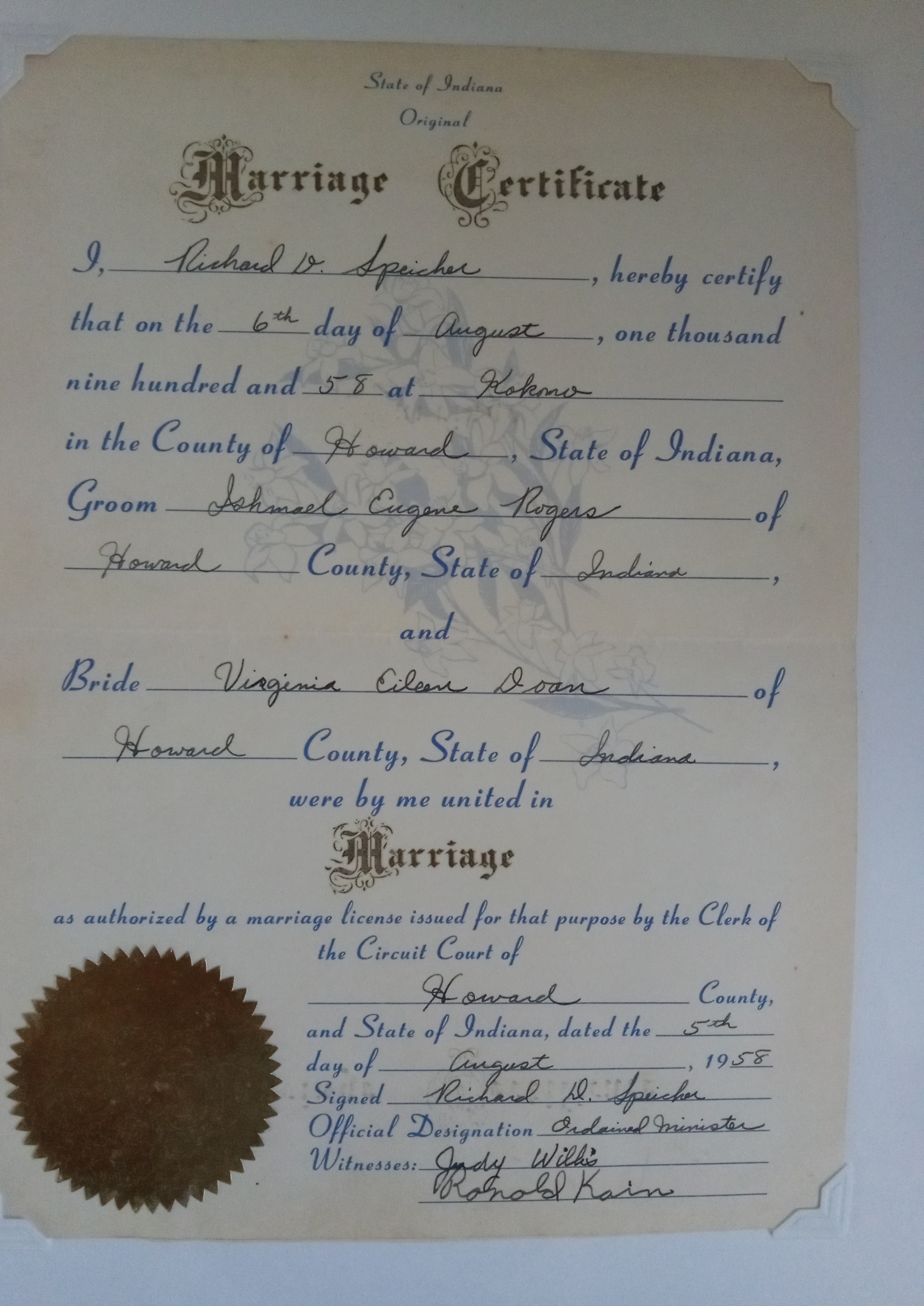
Marriage certificate for Ishmael Eugene Rogers and Virginia Eileen Doan, August 6, 1958.

Ishmael and Virginia — a marriage that stretched across more than sixty years.
Family, Kentucky & the Stories He Carried
Family remained at the center of Ishmael's life. He enjoyed sitting and visiting, remembering people and places from long ago, and telling younger generations what he could still recall about Kentucky and the family they came from.
He made trips back to Kentucky with Virginia and with his sister Ruth, visiting Menifee County, Spaus Creek, Leatherwood, Frenchburg, Fagan, and Mountain Springs Cemetery in Powell County. These were more than places on a map. They were part of the family story.
One year the family also attended the Pitts family reunion, another reminder of how closely his memories of Kentucky were tied to people and kin.
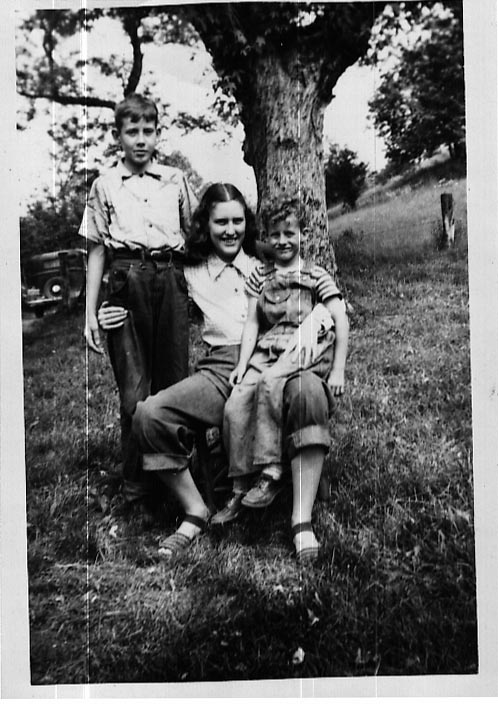
Ishmael with family — the people who shared so much of his earliest story.
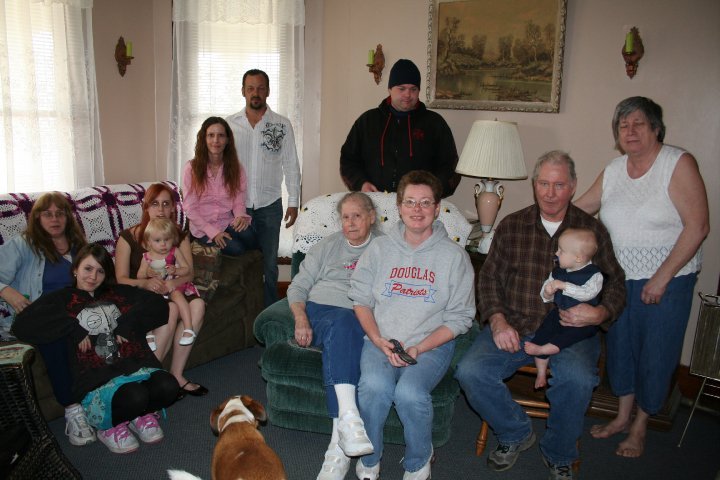
One of many family gatherings preserved in photographs.
His Humor & the Things We Remember
Ishmael had sayings that became part of the family vocabulary. If someone around him let out a burp or a fart, he was known to shake his head, grin, and say:
“You ill-mannered thing, you!”
He also liked the color blue, a small detail perhaps, but exactly the sort of thing families remember long after official records have gone quiet.
He told stories about farm work, cousins, brothers, old neighborhoods, trips to Kentucky, and people who had been gone many years. Some stories were funny. Some were family lore. Some carried questions that were never completely answered. What mattered was that he remembered them, and then passed them on.
Later Years
As the years passed, the family grew to include children, grandchildren, great-grandchildren, nieces, nephews, and many others who knew him simply as Dad, Grandpa, Uncle Ishmael, or Ishmael.
The photographs from these years show the same pattern that runs through the rest of his life: family nearby, stories close at hand, and the ordinary moments that become precious only after time has passed.
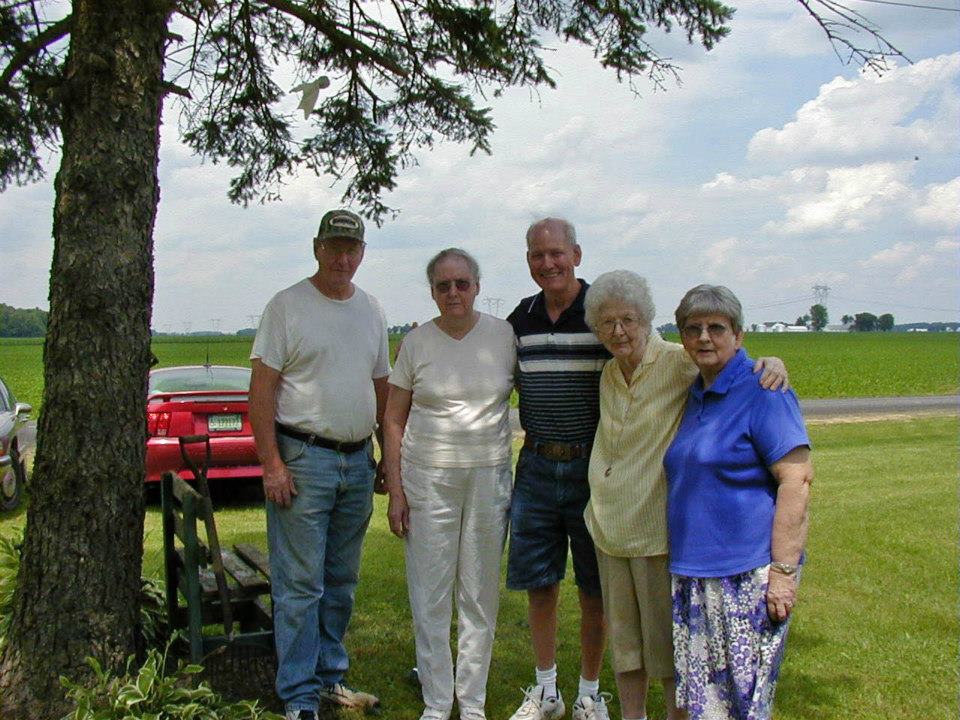
Family remained part of the center of Ishmael's life.
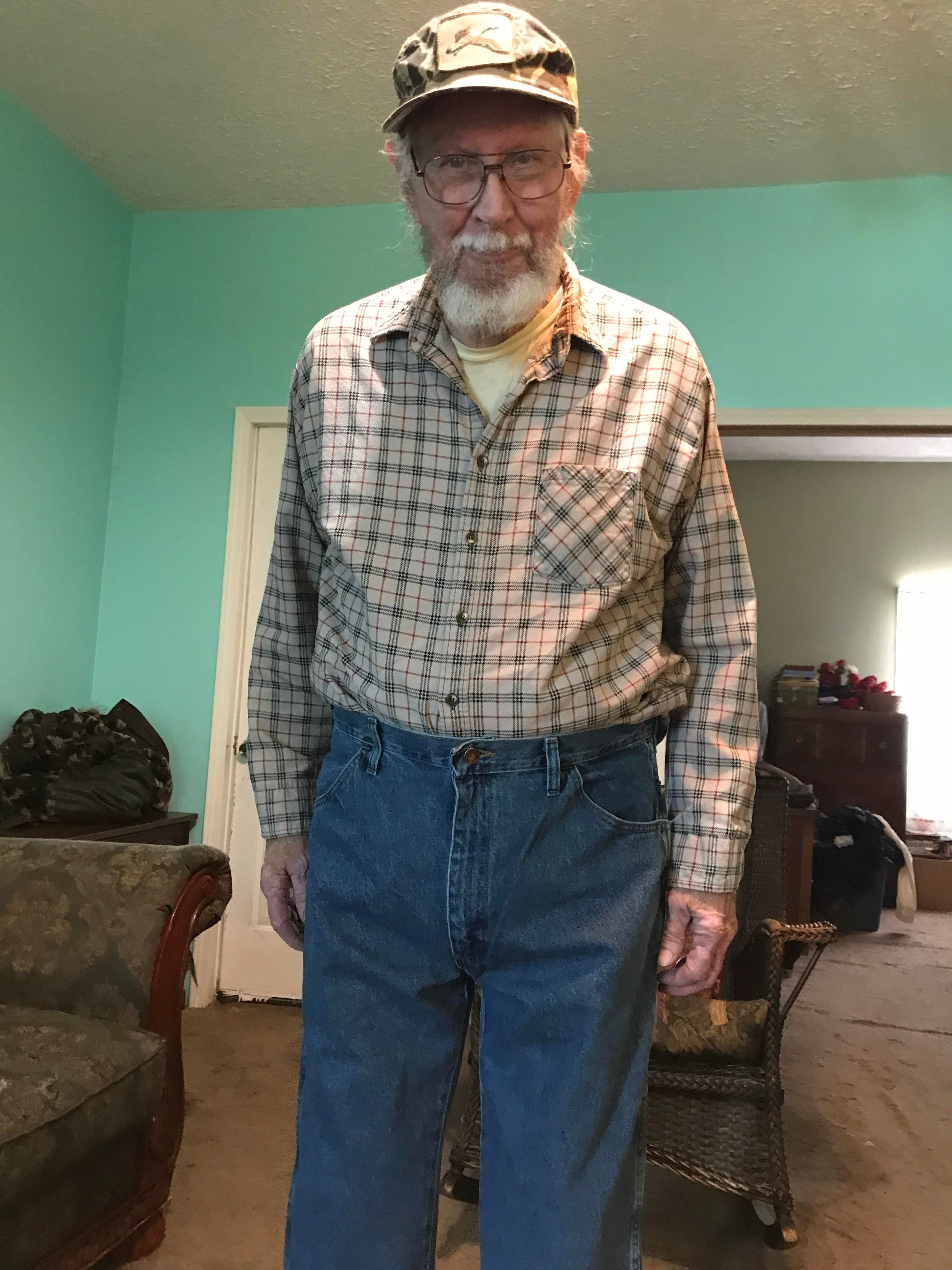
Ishmael in later years.
A Life Still Being Remembered
Ishmael Eugene Rogers died March 13, 2026, in Logansport, Indiana, at the age of eighty-eight. He was cremated, and at the family's request no public funeral or visitation service was held.
But a life is not measured only by a service, a date, or a record. It is also measured in the things that keep being repeated afterward — a story about an apple, a boy calling “Here I is, Sissy,” a joke told with a grin, a trip back to Kentucky, the sound of family names spoken around a table, and the memories passed from one generation to the next.